Verification Networks Driving Incentive Structures and Progression Dynamics in Secure Mobile Gaming Environments
Written by Katja Lange · Jul 7, 2026
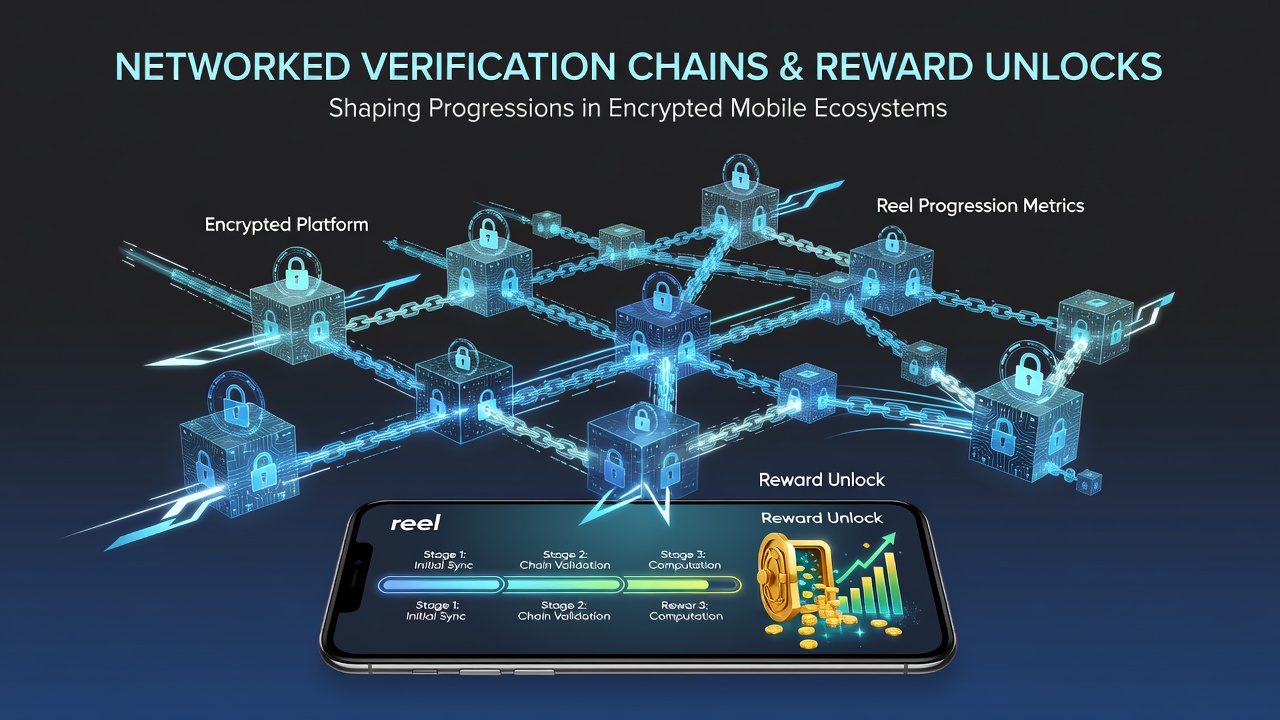
Verification Networks Driving Incentive Structures and Progression Dynamics in Secure Mobile Gaming Environments
Networked verification chains operate as interconnected systems that authenticate user actions across multiple nodes before granting access to rewards or advancing reel sequences in encrypted mobile platforms, and these frameworks integrate cryptographic protocols with distributed ledgers to confirm each step in a player's progression path. Data from industry reports indicates that such chains reduce unauthorized access incidents by validating transactions through sequential confirmations, while encryption layers protect the underlying data flows that determine when bonuses activate or reels advance to new stages. Observers note that verification begins at the device level where biometric or token-based inputs trigger initial checks, then propagates through network nodes that cross-reference activity logs against established rules for reward eligibility. This process ensures that reel progressions, which often depend on accumulated verified plays, only unlock after multiple authentication points confirm compliance with platform parameters. Research from academic sources highlights how these multi-stage verifications maintain consistency even during high-volume mobile sessions, allowing seamless transitions between standard spins and bonus features without exposing sensitive account details.Mechanics of Chain-Based Authentication in Mobile Systems
Encrypted mobile platforms employ verification chains that link user identity confirmation with gameplay metrics, creating a sequence where each reward unlock requires prior validation from preceding nodes in the network. Those who've studied these systems point out that reel progressions advance only when chains complete their cycle of checks, which include timestamp matching and pattern analysis to prevent artificial inflation of play counts. In July 2026 updates to several platforms incorporated enhanced node redundancy, resulting in faster confirmation times during peak usage periods according to aggregated performance metrics.
Platforms distribute verification tasks across decentralized points so no single failure disrupts teh flow from initial login to reward distribution or reel level advancement. Experts have observed that this architecture supports graduated incentive programs where early verifications grant basic access while deeper chain completions enable higher-tier reel mechanics and associated payouts. Studies found that such layered approaches align with regulatory expectations in various regions by providing auditable trails for each progression event.Impact on Reward Unlocks and Player Progression Paths
Verification chains directly influence how and when rewards become available by enforcing sequential validations that tie player activity to encrypted records of past sessions. For instance one documented case involved a platform where chain interruptions from network latency delayed reel advancements until redundant nodes completed their checks, demonstrating the system's resilience. Data shows these mechanisms shape incentive timing so that rewards align with verified milestones rather than arbitrary triggers, supporting structured progression through game levels.
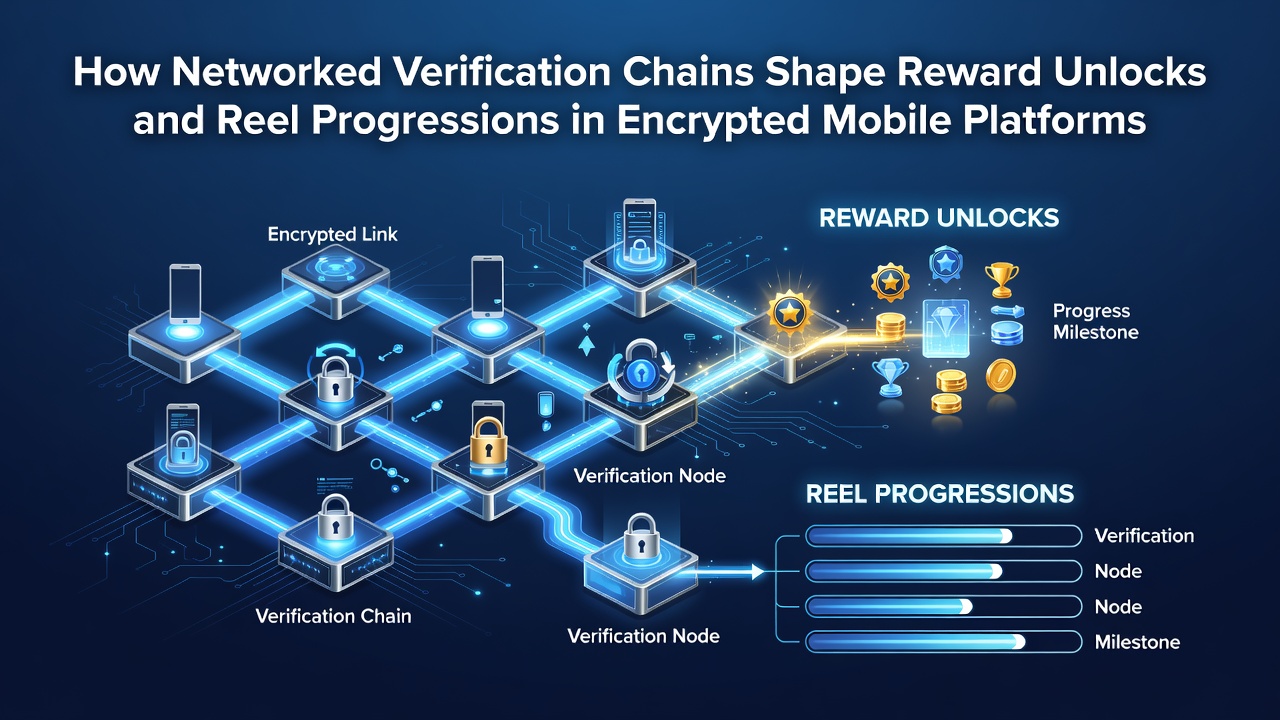 People who've examined mobile gaming data note that networked verifications often incorporate real-time cross-checks with external databases to confirm eligibility before unlocking advanced reels or bonus rounds. This integration allows platforms to adjust progression speeds based on authenticated patterns while maintaining encryption standards that shield transaction histories. Figures from regulatory filings reveal consistent application of these chains across multiple jurisdictions, contributing to standardized practices for reward distribution in encrypted environments.
Encryption Protocols Supporting Chain Integrity
Encryption forms the backbone that secures each link in verification chains, preventing tampering with the data that governs reward access and reel mechanics during transmission between mobile devices and central servers. Researchers discovered that advanced protocols such as end-to-end encryption combined with hash chaining ensure that any alteration attempt in one segment invalidates subsequent validations, thereby protecting the integrity of progression systems. And this approach proves particularly relevant in environments where live interactions and automated reel sequences operate simultaneously.
Government agencies in regions like Australia and Canada have referenced similar frameworks in their oversight of digital gaming operations, emphasizing the role of verifiable encryption in maintaining fair access to incentives. What's interesting is how these protocols evolve to handle increased mobile traffic without compromising the speed at which verified rewards process or reels progress to new configurations.Future Developments and Industry Adaptations
Industry organizations continue to explore refinements to networked verification that could further streamline reward unlocks while preserving the security of reel progression mechanics in encrypted mobile settings. Reports indicate ongoing trials of adaptive chain lengths that shorten during low-risk periods yet expand when anomalies appear in player data streams. Those monitoring these trends see potential for broader adoption as platforms balance efficiency with the need for robust authentication layers. American Gaming Association resources outline general principles behind such verification evolutions, whereas academic analyses from European research institutions provide comparative data on implementation outcomes across different mobile ecosystems.
Conclusion
Networked verification chains establish structured pathways that determine reward availability and reel advancement within encrypted mobile platforms through sequential authentication and encryption safeguards. Evidence from multiple sources confirms their role in supporting reliable progression systems, and continued adaptations in 2026 reflect ongoing efforts to align these technologies with operational and regulatory demands across global markets.