Unraveling Networked Authentication Systems Alongside Progressive Incentive Structures in Mobile Live Interaction Platforms
Written by Yara Krüger · Jun 18, 2026

Unraveling Networked Authentication Systems Alongside Progressive Incentive Structures in Mobile Live Interaction Platforms
Security protocols in portable live interaction modules operate through multiple interconnected layers that authenticate users while simultaneously mapping their progress along graduated reward pathways, and this integration has gained attention in industry reports released during June 2026. Observers note that encryption standards such as TLS 1.3 combine with biometric checks and device fingerprinting to create a framework where each verification step feeds directly into reward eligibility calculations without exposing sensitive data across open networks.
Core Components of Interlinked Security Layers
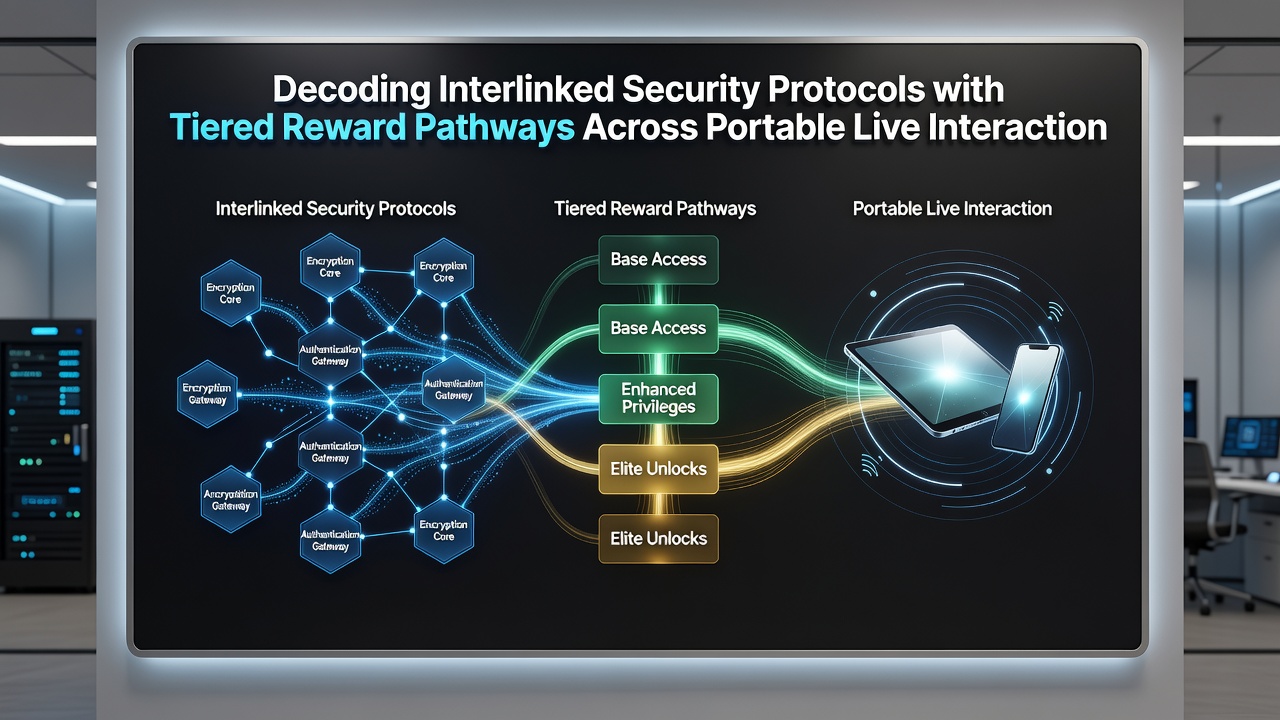
Authentication begins at the device level where portable modules collect signals from hardware sensors and combine them with session tokens issued by central servers, yet the process extends further because each successful verification unlocks access to specific tiers of reel mechanics and live dealer tables. Researchers have documented how these layers communicate through encrypted APIs that transmit only hashed identifiers rather than raw user credentials, which reduces exposure while allowing reward systems to track activity across multiple sessions in real time.
Additional safeguards include continuous monitoring for anomalous patterns such as rapid location changes or unusual bet volumes, and when such signals appear the system can downgrade access to lower reward tiers until further verification occurs. Data from regulatory filings indicate that platforms employing these methods report fewer unauthorized access incidents compared with single-layer approaches, although implementation details vary by jurisdiction and operator size.
Mapping Reward Pathways to Verification Stages
Tiered reward pathways function by assigning points or status levels based on verified play volume and account age, yet the pathways themselves remain gated behind successive security clearances that must be renewed at regular intervals. One study revealed that mobile users who complete initial device binding and two-factor authentication gain entry to basic spin bonuses, while those who add biometric confirmation and maintain clean transaction histories advance to live dealer tables with higher contribution multipliers.
What's significant is how these pathways integrate with payout timelines, because swift withdrawal processing often requires the same authentication tokens used for reward unlocking. Platforms that align these elements report higher retention among users who reach mid-tier status, since the combined security and reward logic creates a single point of progression rather than separate login and loyalty flows.
Regional Developments Observed in Mid-2026
Regulatory updates issued in several markets during June 2026 emphasized the need for transparent mapping between security events and reward adjustments, with particular focus on how portable modules handle cross-border data transfers. Authorities in Asia and North America have required operators to publish summaries of their protocol architectures, which has allowed analysts to compare how different encryption strengths affect the speed at which users climb reward tiers.
Industry associations have compiled case studies showing that modules using adaptive authentication, where risk scores adjust verification depth automatically, achieve faster progression through reward levels than those relying on static checks. These findings appear in technical papers shared at conferences focused on gaming technology standards, and they highlight measurable differences in session duration once users reach higher tiers.
Technical Integration Challenges and Solutions
Developers face the task of ensuring that live video streams from dealer tables remain synchronized with the underlying reward calculation engines without introducing latency that could disrupt user experience. Solutions documented in recent technical documentation involve dedicated middleware layers that process security tokens separately from video feeds, allowing reward updates to occur in the background while the live interaction continues uninterrupted.
Testing protocols now include simulated attacks on both the authentication chain and the reward ledger simultaneously, and results indicate that isolated failures in one area do not automatically compromise the other when proper segmentation is maintained. Operators who have implemented such segmentation report smoother compliance audits because each component can be reviewed independently.
Conclusion
The ongoing refinement of interlinked security protocols and tiered reward pathways continues to shape how portable live interaction modules deliver both protection and engagement, with June 2026 serving as a reference point for several regulatory and technical publications. Further details on specific implementations appear in reports from bodies such as the Nevada Gaming Control Board and research summaries issued by the University of Nevada, Las Vegas Center for Gaming Research. These sources provide additional data points for those examining how verification stages and incentive structures interact across different device types and market conditions.