Tiered Protocols Reshaping Mobile Casino Transaction Dynamics and Library Selections
Written by Casey Schmidt · Jul 11, 2026
Tiered Protocols Reshaping Mobile Casino Transaction Dynamics and Library Selections
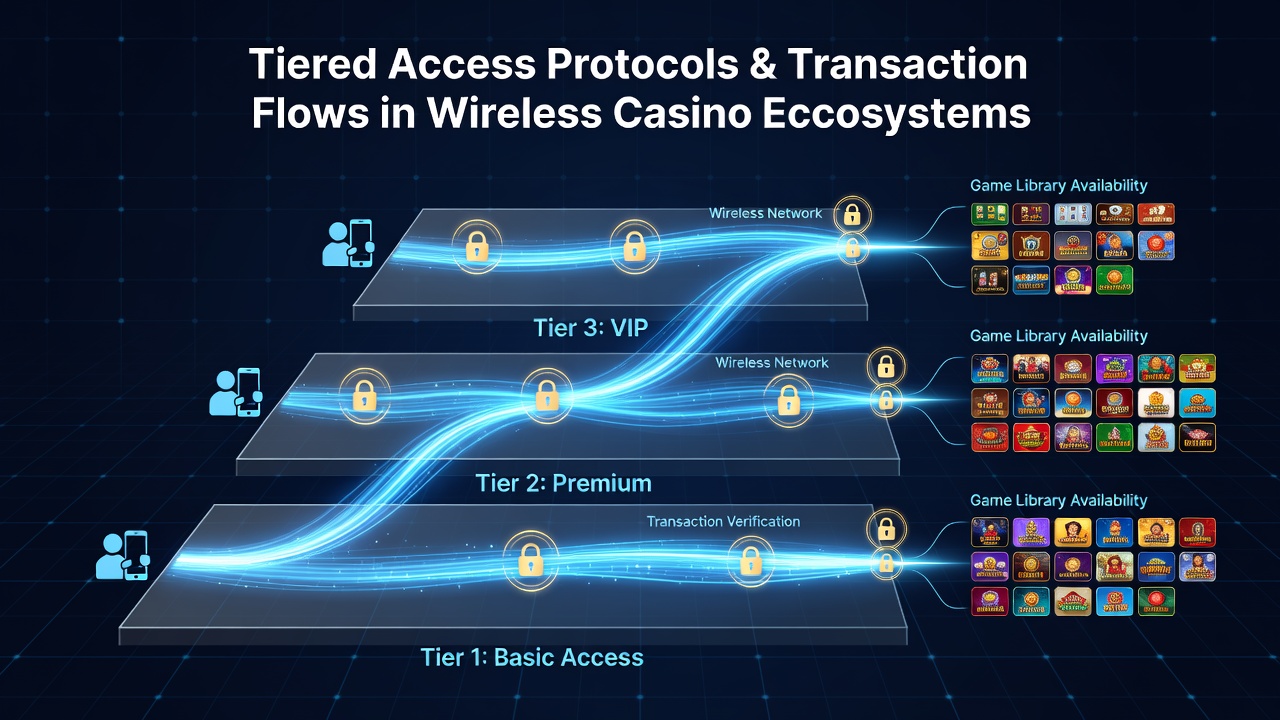
Wireless casino platforms organize user access through structured tiers that determine both how funds move through accounts and which games appear in individual libraries, and these systems have grown more sophisticated as mobile adoption expanded through the first half of 2026. Operators segment players into levels based on deposit volume, play frequency, and account verification depth, then route transactions and content accordingly.
Core Mechanics of Tiered Access in Mobile Environments
Access protocols begin with an initial verification layer that collects identity documents, device data, and payment method confirmation before any funds transfer occurs. Higher tiers require additional steps such as biometric checks or sustained activity thresholds, which in turn unlock faster processing speeds and expanded game catalogs. Observers note that this graduated structure emerged from earlier flat-access models that struggled to manage risk across large user bases.
Transaction flows follow the same segmentation. Entry-level accounts often face daily deposit caps and slower withdrawal queues, while elevated tiers receive priority routing through banking partners and reduced hold periods. July 2026 data compiled by the New Jersey Division of Gaming Enforcement showed that accounts in the top two tiers completed withdrawal requests at rates nearly three times higher than base-level accounts during the same reporting window.
Transaction Flow Adjustments Across Tiers
Payment processors integrated into these ecosystems apply different velocity rules depending on the assigned tier. Lower tiers encounter additional confirmation steps for each transfer, which lengthens settlement times but also reduces exposure to disputed charges. Mid-tier accounts gain access to instant deposit options tied to specific providers, whereas top-tier profiles frequently receive dedicated account managers who can authorize larger single transactions without triggering automated reviews.
These distinctions affect overall platform liquidity. When higher-tier users move funds quickly, operators maintain smoother cash cycles that support ongoing game additions. Industry reports from the American Gaming Association indicate that platforms using multi-tier protocols recorded a 12 percent increase in average monthly transaction volume between January and June 2026 compared with single-tier systems operating in comparable markets.
Game Library Segmentation and Availability Rules
Content libraries expand or contract according to the same tier structure. Entry accounts typically receive a core set of slots and table games, while progressive tiers unlock exclusive titles, higher RTP variants, and live dealer rooms with elevated betting limits. This segmentation occurs through backend flags that reference the player's current access level each time the mobile app loads the lobby.
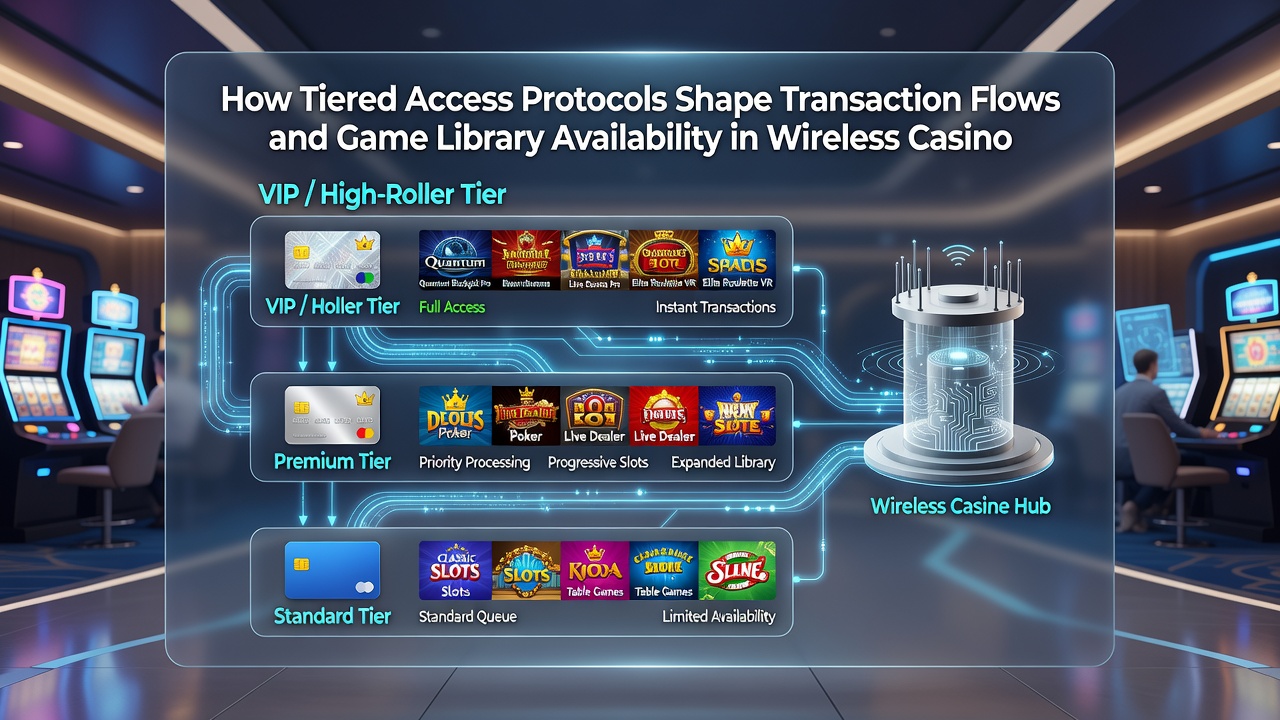
Library updates roll out on staggered schedules. A new slot title might appear first for top-tier users, then migrate downward after a defined period or performance review. Researchers tracking several major operators found that this phased release pattern increased overall engagement metrics because players advanced tiers specifically to reach new releases sooner.
Regulatory and Technical Considerations in 2026
Regulators in multiple jurisdictions have begun examining how these protocols interact with responsible gaming tools. The Canadian Gaming Association published guidance in spring 2026 that encouraged operators to maintain transparent tier criteria so players understand exactly what activity unlocks each level. Technical audits now routinely check whether transaction speed differences align with published policies rather than creating unintended barriers.
Encryption standards also vary by tier in some deployments. Higher levels route traffic through additional security handshakes that protect larger transaction amounts without slowing lower-tier play. This layered approach helps platforms meet differing compliance requirements across state lines while preserving consistent user experiences on handheld devices.
Conclusion
Tiered access protocols continue to define how funds circulate and which games become reachable within wireless casino systems. The structure creates predictable pathways for both transaction processing and content delivery, and ongoing regulatory attention suggests these frameworks will keep evolving as mobile platforms handle increasing volumes of play. Data collected through mid-2026 shows clear correlations between tier placement, transaction velocity, and library breadth across multiple markets.