Technical Synchronization of Loyalty Programs and Secure Payment Gateways in Mobile Casino Environments
Written by Casey Schmidt · Jul 14, 2026

Technical Synchronization of Loyalty Programs and Secure Payment Gateways in Mobile Casino Environments
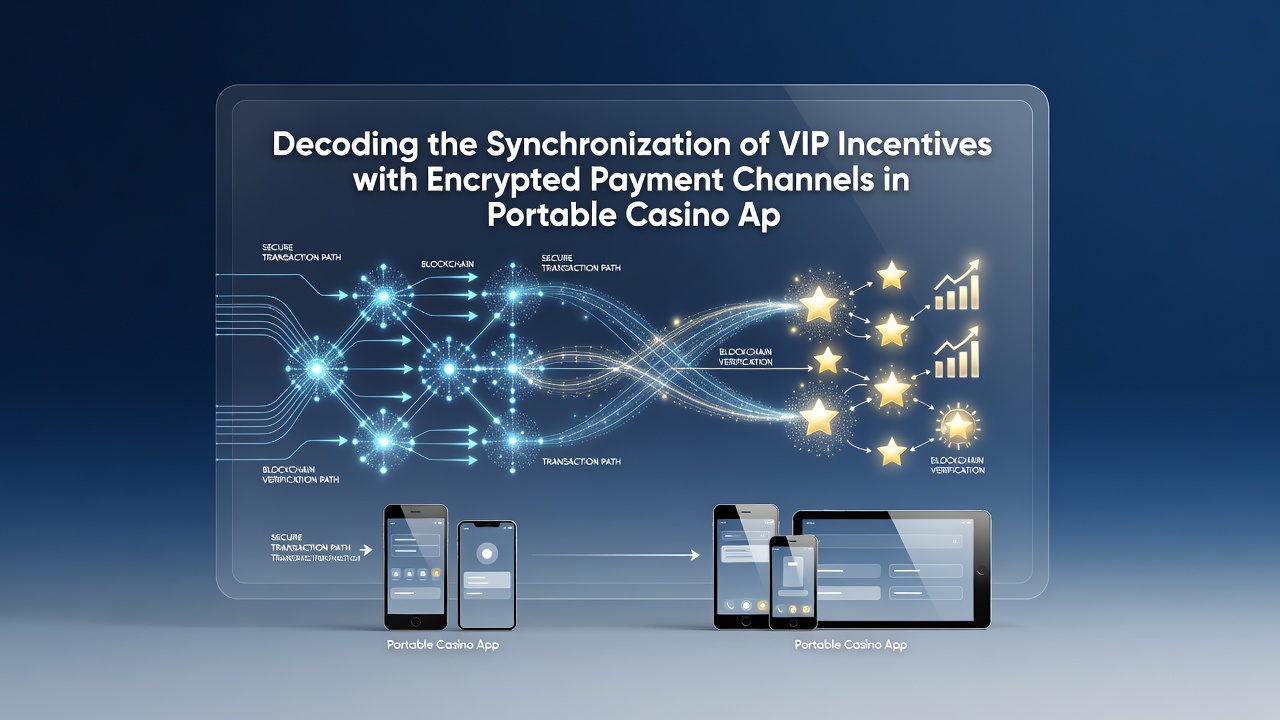
Portable casino applications rely on coordinated systems that connect tiered loyalty structures with encrypted transaction pathways to deliver incentives without exposing sensitive financial data during transfers. Researchers who examine these platforms observe that synchronization occurs through layered protocols where user verification triggers both reward calculations and payment authorizations simultaneously.
Developers implement application programming interfaces that map VIP status levels directly to payment channel permissions so higher-tier players access expedited processing queues while maintaining end-to-end encryption standards. Studies from academic institutions have documented how these mappings reduce latency between incentive activation and fund movement in environments handling thousands of concurrent sessions.
Core Components of Encrypted Channel Integration
Encrypted payment channels in mobile applications utilize protocols such as TLS 1.3 combined with tokenization methods that replace card details with unique identifiers valid only for specific sessions. Observers note that this approach prevents replay attacks because each transaction token expires after a single use or within a narrow time window. Data from industry reports reveals that platforms processing transactions in July 2026 maintained encryption overhead below 15 milliseconds per authorization on average across major operating systems.
VIP incentive engines pull real-time data from player activity logs and cross-reference them against encrypted payment histories to determine eligibility for cashback percentages or bonus multipliers. Those who have analyzed these systems find that the synchronization logic often resides in middleware layers that isolate reward databases from direct payment processors thereby limiting exposure during potential breaches.
Verification Layers and Access Controls
Biometric and multi-factor checks serve as entry points that unlock both VIP features and associated payment options in portable environments. Research indicates that successful authentication sequences activate smart contracts or equivalent rule sets which adjust transaction limits based on accumulated loyalty points. Platforms in regions following Australian regulatory frameworks demonstrate particular emphasis on audit trails that log every synchronization event for compliance reviews.
One case documented by analysts involved a major operator adjusting its reward disbursement timing to align with peak payment channel availability during evening hours in multiple time zones. The adjustment resulted in measurable improvements in completion rates for VIP redemptions without altering underlying encryption parameters.
Regional Regulatory Influences on System Design
European Union directives on digital payment security have prompted developers to incorporate additional key rotation schedules within their synchronization modules. Figures from oversight bodies show that operators adopting these schedules reported fewer instances of interrupted reward deliveries in the first half of 2026. Meanwhile Canadian provincial frameworks require explicit separation between loyalty calculation engines and payment settlement systems to facilitate independent audits.
What's interesting is how these regional differences create varied implementation patterns yet maintain core encryption standards across borders. Developers often reference guidelines from organizations like the International Association of Gaming Regulators when building cross-compatible modules that support multiple jurisdictions simultaneously.
Performance Metrics and Operational Outcomes
Performance testing conducted on leading portable applications shows that synchronized systems achieve transaction finality within three seconds for verified VIP accounts while preserving full encryption throughout the process. Reports compiled by research groups highlight that error rates drop when reward eligibility checks occur before payment channel initiation rather than afterward. This sequence prevents situations where incentives are promised but cannot be fulfilled due to temporary authorization failures.
Operators track key indicators such as average time from VIP tier upgrade to first encrypted payout and overall system uptime during high-volume periods. Data compiled in mid-2026 indicated consistent performance across both iOS and Android deployments when middleware layers handled the mapping logic centrally.
Future Developments in Synchronization Protocols
Emerging standards propose the use of zero-knowledge proofs to verify VIP status without revealing full player histories during payment channel handshakes. Those studying these advancements note potential reductions in data transfer volumes while maintaining regulatory transparency requirements. Integration with emerging wallet technologies could further streamline the process by allowing direct reward deposits into encrypted mobile wallets.
Industry conferences scheduled for later in 2026 are expected to feature discussions on standardizing synchronization APIs across different casino software providers. Such standardization would allow smaller operators to adopt proven encryption and reward mapping techniques without building custom solutions from scratch.
Conclusion
The synchronization of VIP incentives with encrypted payment channels in portable casino applications continues to evolve through coordinated technical and regulatory efforts. Systems that successfully align these elements deliver measurable operational efficiencies while meeting security expectations across diverse markets. Continued monitoring of performance data and adoption of updated protocols will shape how these integrations function in subsequent years.