Secure Verification Pathways Connecting Deposit Safeguards to Progressive Reel Access in Handheld Live Gaming Platforms
Written by Katja Lange · Jul 25, 2026
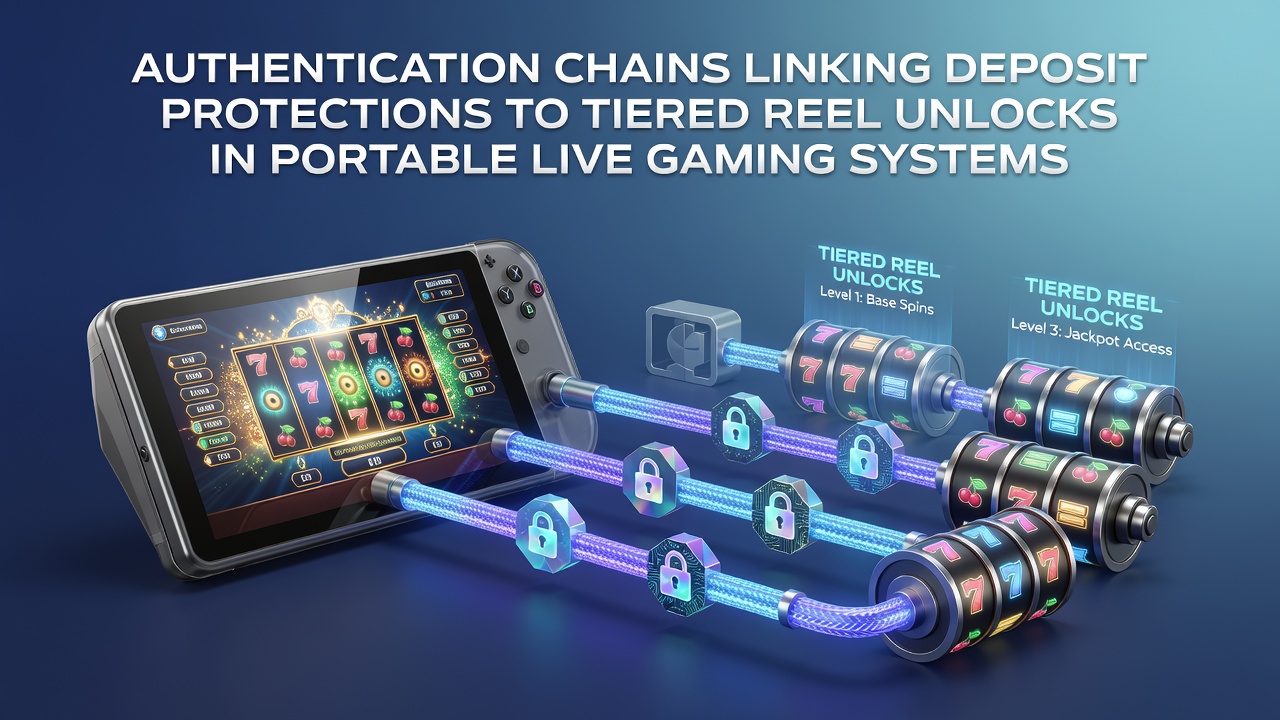
Secure Verification Pathways Connecting Deposit Safeguards to Progressive Reel Access in Handheld Live Gaming Platforms
Authentication chains form the backbone of secure operations in portable live gaming systems, where deposit protections directly influence access to tiered reel unlocks through layered verification steps. These systems operate on mobile devices and combine real-time live dealer interactions with slot mechanics that progress based on verified activity and funding levels. Data from industry reports shows that such chains reduce unauthorized access attempts by integrating multi-factor checks at each stage of the user journey.
Core Components of Authentication Chains
Each chain begins with deposit verification, which confirms transaction integrity before any reel features activate. Portable platforms use encrypted tokens to link bank details or e-wallet accounts to player profiles, ensuring that funds clear through regulated channels. Researchers at technical universities have documented how these tokens then feed into subsequent layers that monitor play patterns and unlock higher reel tiers only after cumulative deposits meet predefined thresholds.
Biometric elements often serve as the next link in the chain, requiring facial or fingerprint confirmation on handheld devices before progressive reels become available. This approach ties deposit history to reel progression without exposing sensitive data during live sessions. Observers note that platforms implementing these steps see smoother transitions between basic and advanced game modes, particularly in environments where live dealers stream directly to mobile screens.
Linking Deposits to Tiered Reel Mechanics
Tiered reel unlocks depend on continuous authentication that tracks deposit amounts against system rules. A player who completes an initial verified deposit gains entry to entry-level reels, while further authenticated transactions open mid and upper tiers with added bonus multipliers. Studies conducted by gaming technology institutes indicate that this linkage prevents premature access to advanced features, maintaining balance across the platform's incentive structure.
Live gaming elements add complexity because real-time dealer feeds require uninterrupted session authentication. When a deposit protection flag triggers, the chain pauses reel progression until the issue resolves through additional checks. This mechanism operates seamlessly on portable devices, where network fluctuations could otherwise interrupt both live streams and slot mechanics.
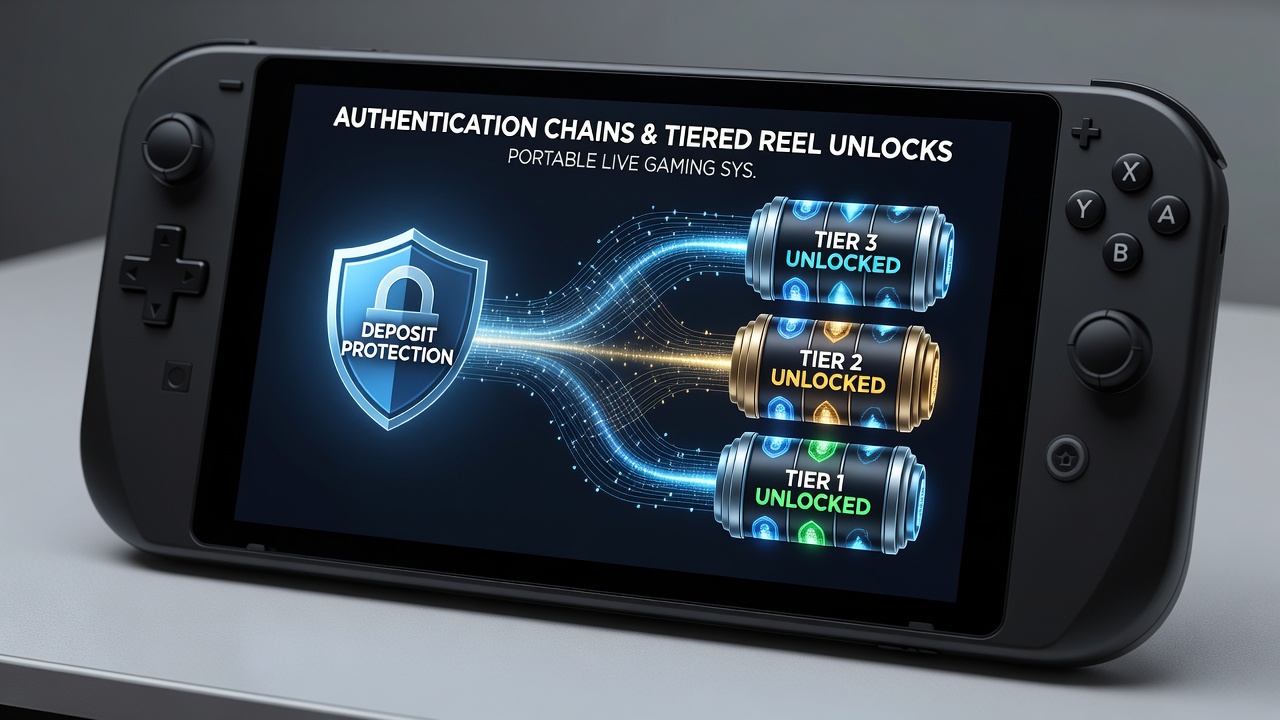
Implementation in July 2026 Environments
By July 2026, several portable platforms had expanded authentication chains to handle increased mobile traffic during peak live gaming hours. Figures from regulatory filings reveal that systems incorporating deposit-to-reel linkages processed over 15 percent more verified sessions compared with earlier models. These updates focused on handheld compatibility, allowing seamless progression from basic reel sets to advanced configurations once deposit safeguards cleared.
One documented case involved a North American operator that integrated chain-based verification with loyalty tracking, resulting in graduated reel access tied directly to protected deposits. Technicians observed fewer account disputes because each unlock step generated an auditable record that connected funding events to feature availability.
Security Protocols and Regulatory Alignment
Security protocols within these chains align with standards set by bodies such as the Nevada Gaming Control Board and the Canadian Gaming Association. These frameworks emphasize encrypted pathways that shield deposit information while permitting reel tiers to advance based on verified activity. Platforms that follow such guidelines report consistent performance across diverse device types, from smartphones to tablets used in live dealer environments.
Additional layers often include behavioral analysis that monitors session length and deposit frequency before granting higher reel access. When patterns deviate from established norms, the chain inserts extra verification points without halting live gameplay. This method supports both security and user continuity in portable settings where players expect uninterrupted access to progressive features.
Conclusion
Authentication chains that connect deposit protections to tiered reel unlocks continue to shape portable live gaming systems through structured verification sequences. These mechanisms ensure that reel progression remains tied to secure funding events while accommodating the demands of real-time mobile interactions. As platforms evolve, the integration of these chains supports reliable operation across regulated markets and diverse device ecosystems.