Integrating Payout Systems with Loyalty Benefits in Mobile-Enabled Casinos
Written by Casey Schmidt · May 16, 2026
Integrating Payout Systems with Loyalty Benefits in Mobile-Enabled Casinos
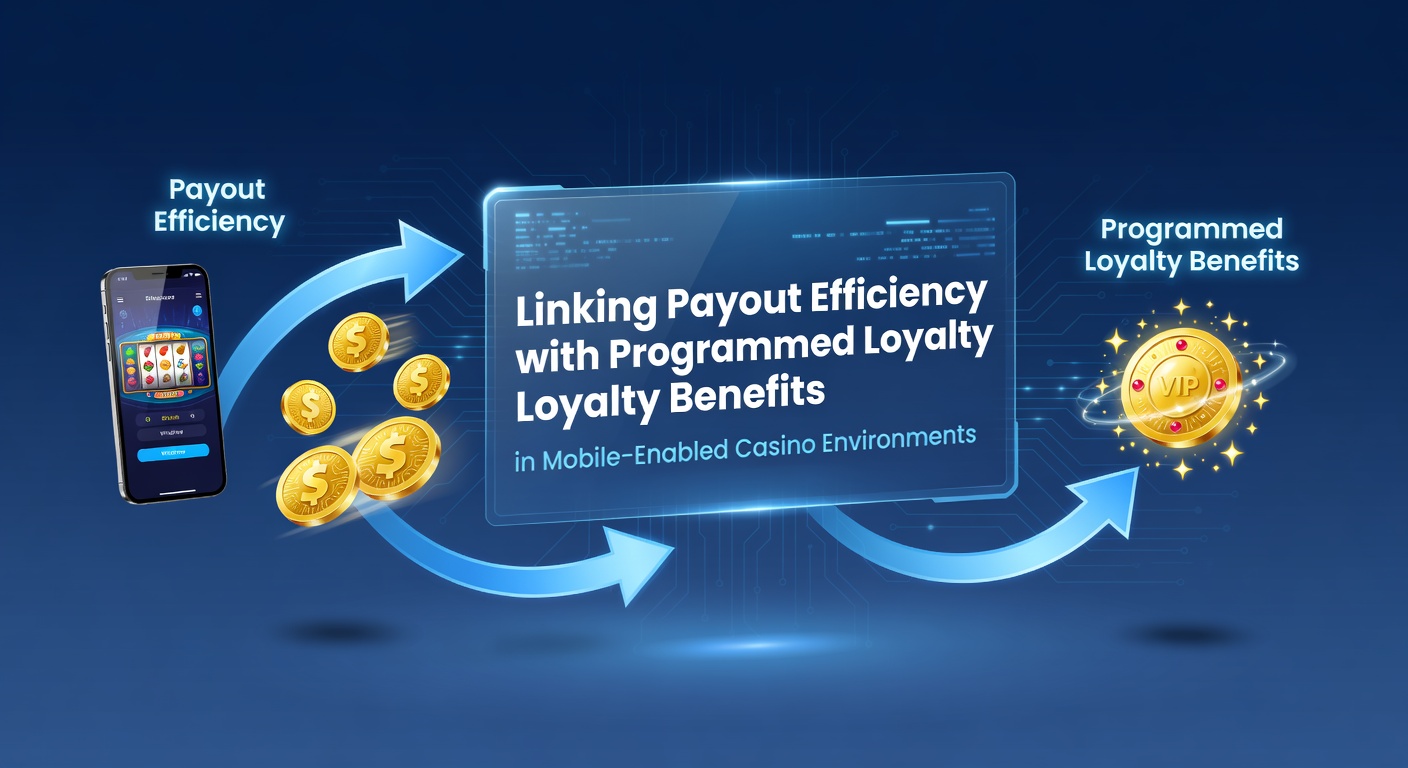
Mobile casino platforms now tie payout speed directly to loyalty program structures through automated tracking systems that adjust withdrawal timelines based on player status levels, and this approach relies on real-time data collected from smartphone applications. Operators program these connections so that higher-tier members gain access to faster processing windows, which in turn encourages sustained engagement across the platform.
Core Mechanics of Linked Payout and Loyalty Frameworks
Data from mobile applications feeds into loyalty algorithms that calculate eligibility for expedited payouts, while basic tiers receive standard processing periods that can extend several business days. Programmed rules grant instant or same-day approvals once a player accumulates sufficient points through deposits, wagers, and session duration, and these thresholds reset monthly according to platform policies. Observers note that such systems reduce manual review queues because the software already flags verified accounts that meet loyalty criteria, thereby cutting average completion times for eligible users.
Geolocation features and device authentication further support this linkage by confirming user identity before any payout request reaches the queue, and many platforms combine these checks with loyalty point balances to automate approval decisions. Research indicates that casinos deploying these integrated tools report measurable drops in support ticket volume related to withdrawal delays, since the mobile app notifies players of their current processing category upfront.
Regional Data Trends Through Mid-2026
Figures released by the Alcohol and Gaming Commission of Ontario show continued growth in mobile gaming volumes through May 2026, with operators emphasizing loyalty-linked payout features as a retention tool. Similar patterns appear in reports from the Victorian Commission for Gambling and Liquor Regulation, where mobile sessions account for the majority of activity and loyalty programs now include explicit payout acceleration tiers. Those who monitor industry statistics point out that platforms offering these benefits record higher average deposit frequencies among enrolled users compared with non-linked systems.
Implementation Examples Across Operators
One major platform rolled out a tiered model in early 2026 where silver-level members receive 24-hour payout windows and gold-level accounts move to near-instant processing once loyalty points reach defined thresholds, and the change coincided with a documented increase in daily active users on their mobile app. Another operator introduced bonus payout multipliers for players who maintain consecutive login streaks, which the system calculates automatically and applies at the moment of withdrawal request. These cases illustrate how programmed loyalty rules translate directly into operational efficiency gains without requiring additional staff intervention.
Technical Requirements for Effective Integration
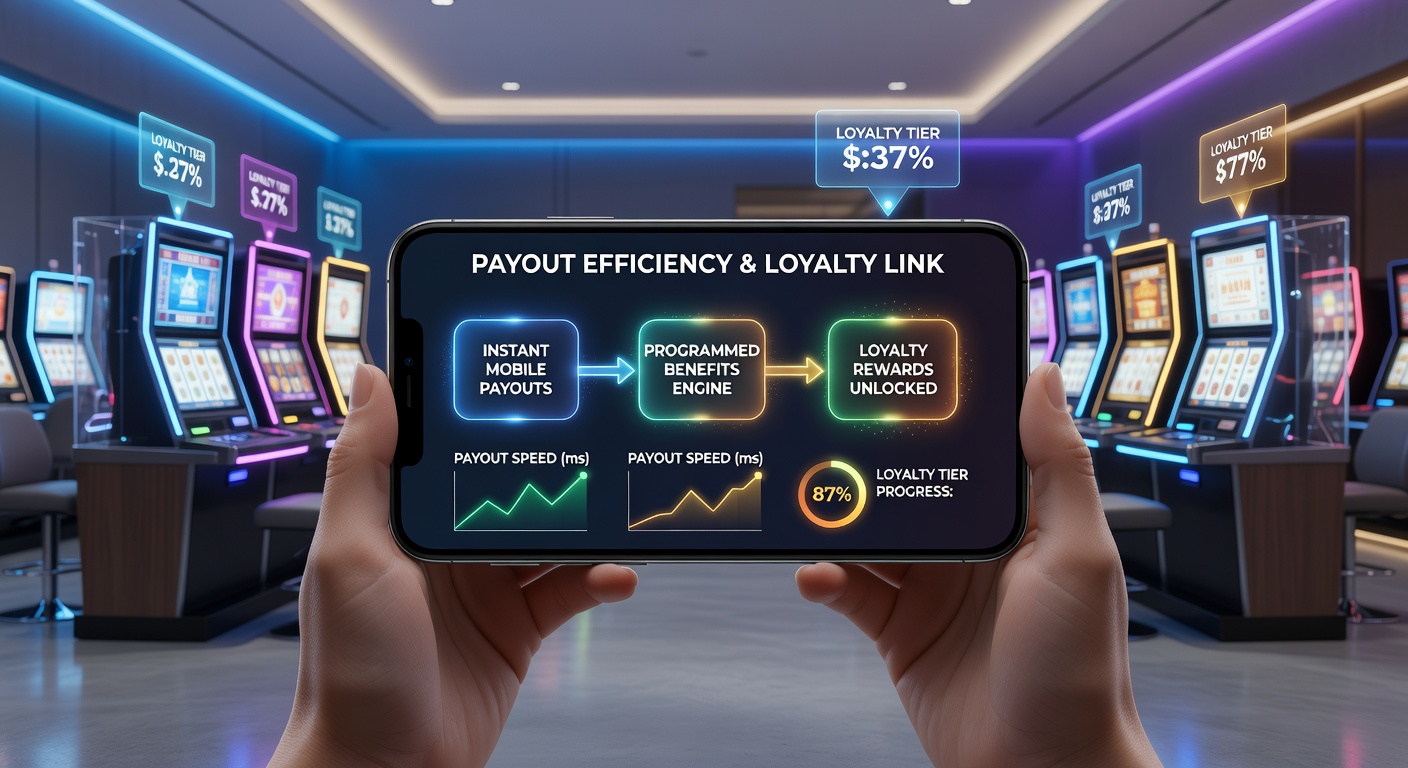
Secure payment gateways must interface with the loyalty database so that status updates occur without lag, and this demands robust API connections that handle high transaction volumes during peak hours. Encryption standards protect both financial details and loyalty histories while mobile devices transmit data, yet the same infrastructure allows instant status verification when a payout request arrives. Developers design these systems to scale across multiple jurisdictions, adjusting payout timelines according to local regulatory caps while still honoring loyalty-based accelerations where permitted.
Analytics engines track which loyalty actions most reliably correlate with payout requests, enabling operators to refine point-earning rates and keep the linkage balanced. Players who advance through tiers often notice shorter confirmation steps inside the app, because prior verifications remain stored and linked to their loyalty profile. This reduces friction at the withdrawal stage and keeps the overall experience consistent across devices.
Regulatory Considerations in Multiple Markets
Authorities in regulated markets require clear disclosure of how loyalty status affects payout timelines, and operators must publish these rules within the mobile app terms. Compliance teams review the programmed algorithms regularly to confirm they align with fairness standards, while audit logs capture every status change tied to a payout decision. Data from these audits helps regulators verify that accelerated processing applies only to verified loyalty achievements rather than arbitrary factors.
Platforms operating across borders adjust their loyalty payout linkages to satisfy the strictest applicable rules in each region, which sometimes means offering uniform timelines that exceed minimum requirements. This approach simplifies app maintenance while still delivering measurable benefits to higher-tier players in less restrictive jurisdictions.
Conclusion
The connection between payout efficiency and programmed loyalty benefits continues to shape mobile casino design as of May 2026, with operators refining algorithms that reward consistent activity through faster access to funds. Technical infrastructure, regional compliance needs, and player data patterns all feed into these systems, producing measurable operational outcomes documented in regulatory filings and industry reports. Continued evolution in this area will depend on how effectively platforms balance automation speed with verification safeguards across diverse markets.