Encryption's Influence on Reward Access and Transaction Dynamics in Mobile Live Dealer Ecosystems
Written by Casey Schmidt · Jul 30, 2026
Encryption's Influence on Reward Access and Transaction Dynamics in Mobile Live Dealer Ecosystems
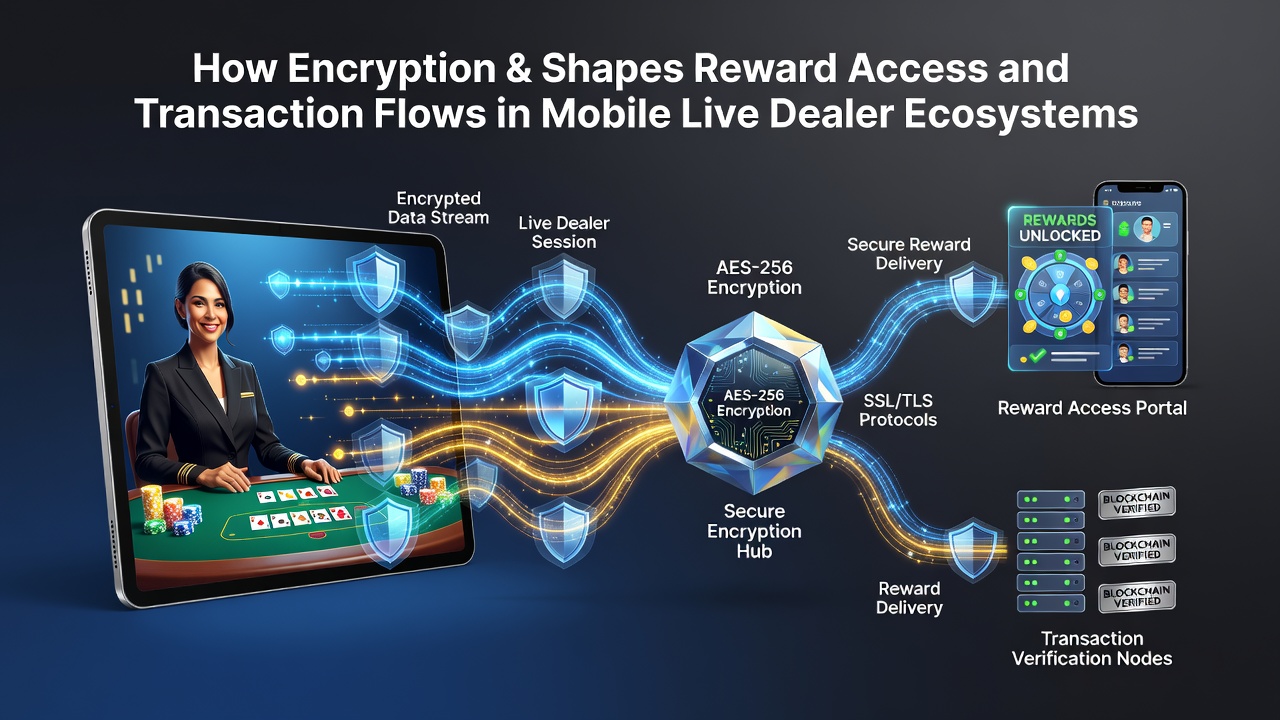
Encryption protocols form the backbone of security in mobile live dealer ecosystems, where they control who gains entry to rewards while directing the movement of funds during real-time gameplay, and as of July 2026 these systems continue to evolve alongside expanding regulatory frameworks across multiple jurisdictions.
Core Encryption Standards in Live Dealer Platforms
Live dealer environments on mobile devices rely on advanced encryption layers such as AES-256 combined with TLS 1.3 to protect data streams between players and central servers, yet these same measures also gatekeep access to progressive bonuses and loyalty tiers, so operators implement key management systems that tie decryption rights directly to verified user profiles and transaction histories.
Researchers at various academic institutions have documented how asymmetric encryption enables secure key exchanges during initial logins, which then unlock tiered reward structures only after multi-factor authentication completes, and this process prevents unauthorized shifts in player balances while maintaining continuous video feeds from studio tables.
Shaping Reward Access Through Cryptographic Controls
Reward distribution in these platforms hinges on cryptographic tokens generated during each session, and those tokens determine eligibility for cashback offers or free spins by validating previous transaction volumes without exposing raw financial details, so players who complete encrypted verification sequences gain immediate entry to graduated incentive programs.
One study revealed that platforms using end-to-end encryption saw a measurable reduction in reward claim disputes because every bonus allocation carries a unique digital signature traceable back to the originating transaction, and this traceability supports compliance with rules set by bodies like the Nevada Gaming Control Board.
Transaction Flow Management and Security Layers
Transaction pathways in mobile live dealer setups follow encrypted pipelines that segment payment initiation from settlement, while smart contract elements embedded in the encryption framework route funds only after live dealer outcomes receive cryptographic confirmation, and this sequencing reduces latency for withdrawals that reach approved accounts within minutes.
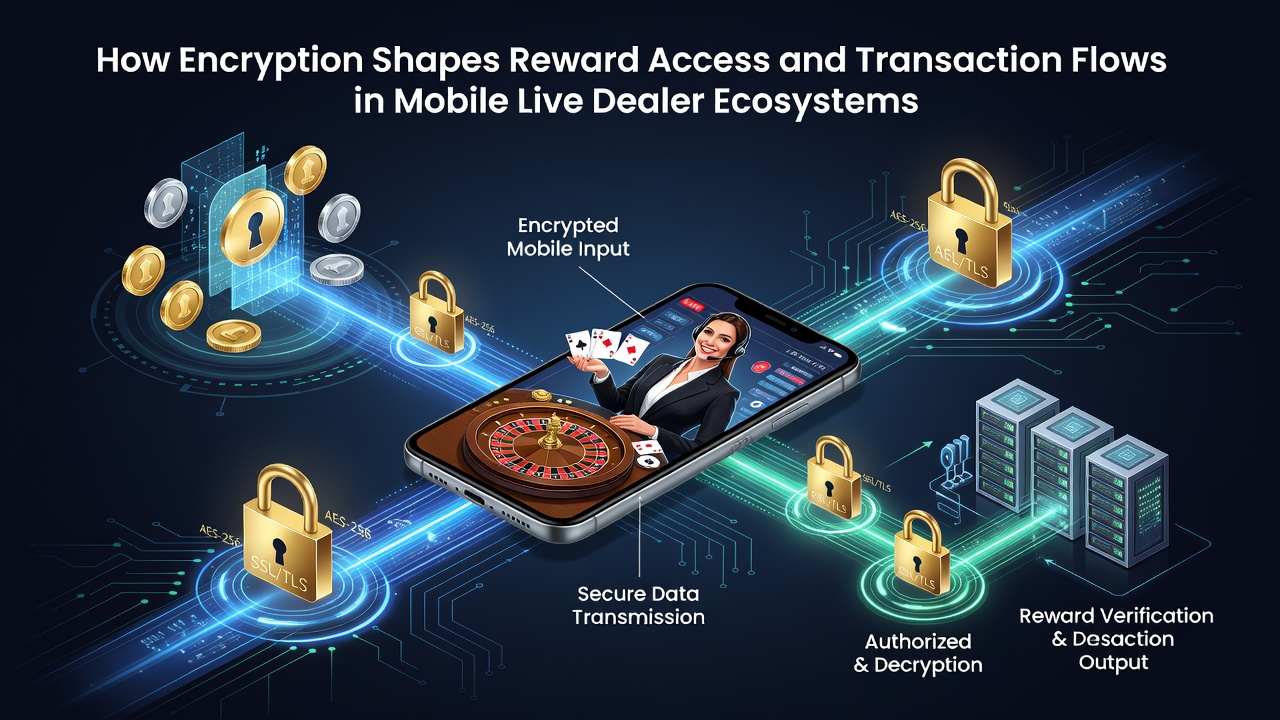
Data from the American Gaming Association indicates that encrypted mobile channels handled a growing share of live dealer wagers in early 2026, with authentication layers ensuring that reward redemptions align precisely with cleared deposits, and observers note that these protocols also support cross-border transfers under varying tax regimes.
Here's where it gets interesting: when encryption keys rotate automatically during active sessions, transaction flows remain uninterrupted even as reward eligibility recalculates in real time based on cumulative play metrics, and this dynamic adjustment helps platforms maintain compliance without pausing dealer interactions.
Integration with Graduated Incentive Programs
Graduated incentives such as VIP ladders or milestone bonuses connect directly to encrypted session logs, so higher tiers unlock only when cumulative encrypted transaction data meets predefined thresholds, and this linkage prevents premature access while allowing seamless progression during extended live dealer sessions.
Those who've examined industry reports find that platforms incorporating biometric encryption elements alongside standard protocols experience fewer interruptions in reward delivery, because facial or fingerprint data serves as an additional decryption gate that ties personal identity to specific transaction histories.
Regulatory Context and July 2026 Developments
Regulatory updates through July 2026 have prompted operators to strengthen encryption requirements for reward systems, and authorities in regions including Ontario and parts of Europe now mandate regular audits of how cryptographic controls influence both access permissions and fund movements in mobile environments.
What's significant is the way these standards intersect with live dealer streaming technologies, since encrypted video feeds must synchronize with transaction ledgers to prevent discrepancies during high-volume periods, and this synchronization supports broader adoption of mobile platforms.
Conclusion
Encryption continues to define the boundaries of reward access and the pathways of transactions within mobile live dealer ecosystems, with ongoing refinements ensuring that security measures scale alongside player volumes and regulatory expectations, and the result is a framework where verified participation directly determines both incentive availability and financial settlement speed.