Decoding Security Protocols That Align Welcome Incentives with Live Dealer Access and Mobile Payout Structures
Written by Yara Krüger · Aug 25, 2026
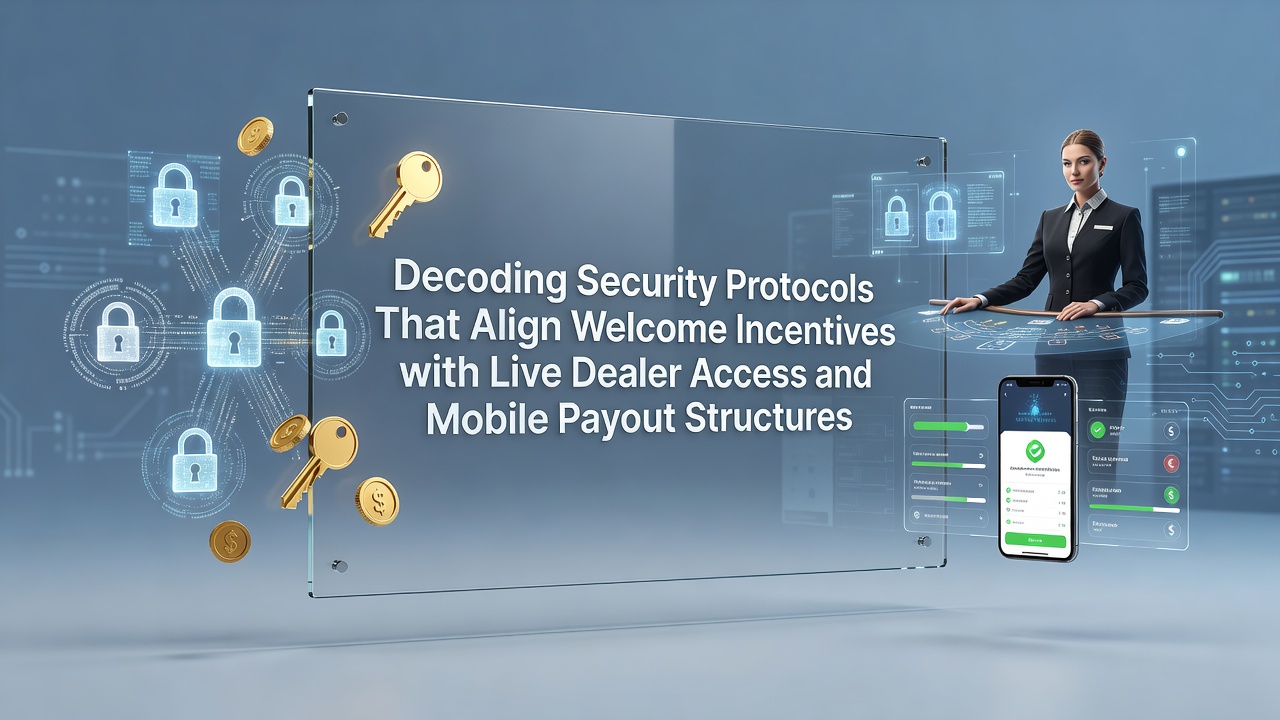
Decoding Security Protocols That Align Welcome Incentives with Live Dealer Access and Mobile Payout Structures
Security protocols in digital gaming environments connect welcome incentives directly to live dealer sessions and mobile payout frameworks through layered authentication systems that verify user eligibility before granting access or releasing funds, and these mechanisms rely on encryption standards along with real-time data synchronization to prevent mismatches between promotional credits and actual gameplay or withdrawal requests.
Core Elements of Protocol Alignment
Systems map bonus activation codes to specific live dealer tables by embedding unique tokens within player accounts, and these tokens trigger access only after multi-factor checks confirm device compatibility and location compliance, while mobile payout structures integrate the same verification layers so that winnings from incentivized sessions flow into approved e-wallets without separate manual reviews in most cases.
Research from the University of Nevada Las Vegas International Gaming Institute shows that integrated platforms reduced processing delays by synchronizing authentication across all three components during 2025 testing cycles, and operators in regulated markets continued expanding these connections into August 2026 to meet updated compliance benchmarks from state-level bodies.
Encryption and Verification Layers
Advanced encryption protocols secure the data flow between welcome incentive ledgers and live dealer interfaces by converting player details into hashed strings that mobile applications decode upon login, yet the same strings link directly to payout gateways so that any attempt to alter bonus values gets flagged before funds reach external accounts, and observers note this approach maintains consistency across handheld devices running different operating systems.
Biometric and Token-Based Checks
Biometric verification steps often precede live dealer entry when welcome incentives apply, requiring fingerprint or facial scans that match stored profiles before tables open, and these same scans authorize mobile payout requests in one continuous workflow that cuts down on redundant confirmations. Data from the Pennsylvania Gaming Control Board indicates token-based systems handled over 2.4 million incentive redemptions in the first half of 2026 while maintaining zero reported breaches tied to mismatched access rights.

Mobile Payout Integration Points
Payment gateways receive clearance signals from the same servers that manage live dealer access, allowing winnings generated under welcome incentives to process through automated channels once session logs confirm playthrough requirements, and this setup avoids separate audits in environments where protocols flag anomalies instantly. Industry reports highlight that seamless mapping prevents common friction points such as delayed withdrawals after promotional play, particularly on platforms supporting multiple currencies and regional banking partners.
Those who study transaction frameworks point out that API connections between incentive databases and payout processors update in real time, so adjustments to bonus terms reflect immediately in available withdrawal limits without requiring players to navigate additional menus or wait for manual approvals.
Regulatory Context in Mid-2026
Regulatory updates taking effect around August 2026 emphasize stronger linkage between incentive tracking and payout verification in mobile environments, and agencies across multiple jurisdictions now require operators to demonstrate that security protocols prevent unauthorized conversion of bonus funds into cashouts. These standards build on earlier frameworks that already tied live dealer participation logs to payout eligibility, creating a closed loop that auditors can review through centralized reporting tools.
What's notable is how these protocols adapt across different device types, since mobile applications must handle intermittent connections without dropping token validity, and testing data reveals that fallback mechanisms restore sessions without resetting incentive progress when signals return.
Conclusion
Security protocols achieve alignment among welcome incentives, live dealer access, and mobile payout structures by embedding shared verification tokens and encryption layers that operate across all stages of player engagement, and continued refinements in 2026 maintain this integration while meeting evolving regulatory expectations in key markets. The result appears in streamlined processes where eligible users move from bonus activation through live sessions to verified withdrawals under unified controls that reduce mismatches and support consistent platform performance.