Decoding Reward Access Mechanisms in Secure Mobile Casino Payment Systems
Written by Sam Günther · Aug 20, 2026
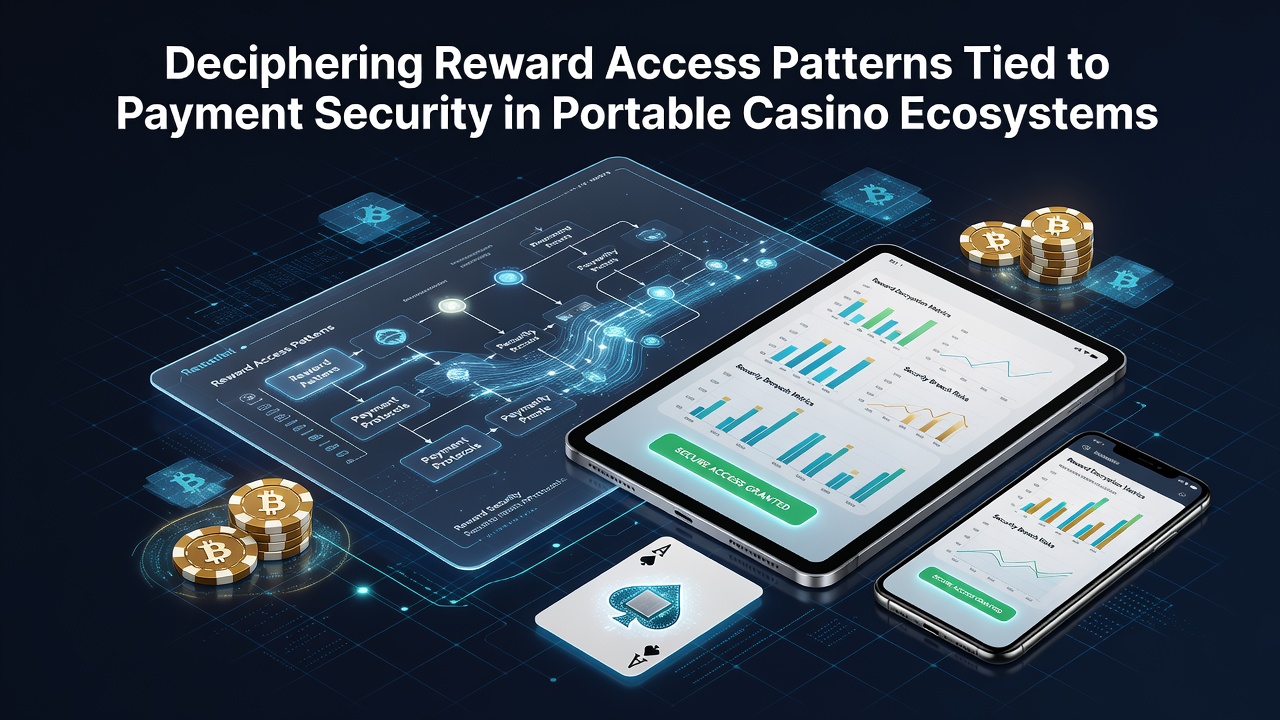
Decoding Reward Access Mechanisms in Secure Mobile Casino Payment Systems
Portable casino ecosystems operate through layered authentication processes that connect payment security directly to reward distribution, and these systems rely on encrypted transaction pathways to manage how users unlock incentives across handheld devices. Data from industry reports indicates that mobile platforms processed substantial volumes of verified transactions in August 2026, with security protocols determining the timing and eligibility of bonus releases in many cases. Researchers at various institutions have documented how verification steps tied to payment methods create predictable patterns for accessing tiered rewards, while operators maintain compliance with regional standards that govern both funds movement and promotional access.
Core Components of Payment-Linked Reward Systems
Payment security frameworks in these environments incorporate tokenization and multi-factor checks that gate reward access, and this integration allows platforms to release free spins or deposit matches only after confirming transaction legitimacy. Observers note that such mechanisms reduce unauthorized entries into loyalty programs, yet they also shape user behavior by requiring consistent payment verification before progressive incentives become available. Studies from academic sources have examined how these patterns emerge in live dealer mobile sessions, where encrypted channels link each deposit to specific reward tiers without exposing underlying account details.
Regional regulators in areas like Nevada and Malta enforce rules that tie payment authentication to promotional integrity, and figures from gaming associations reveal steady growth in verified mobile transactions through mid-2026. Those who've analyzed transaction logs point out that reward patterns often follow a sequence: initial payment validation triggers base access, followed by additional security layers that unlock higher-value incentives over time. This structure helps maintain system stability while operators track usage across different device types.
Authentication Layers and Their Influence on Incentive Timing
Biometric and device-based checks frequently intersect with payment security to control when rewards activate, and experts have observed that these combined protocols create distinct access rhythms in portable applications. For instance, one study revealed that platforms using advanced encryption for deposits saw faster progression through loyalty milestones once initial verification cleared, whereas delays in security clearance postponed reward availability. Data shows these patterns hold across multiple markets, including those tracked by the American Gaming Association in their periodic updates on digital gaming trends.
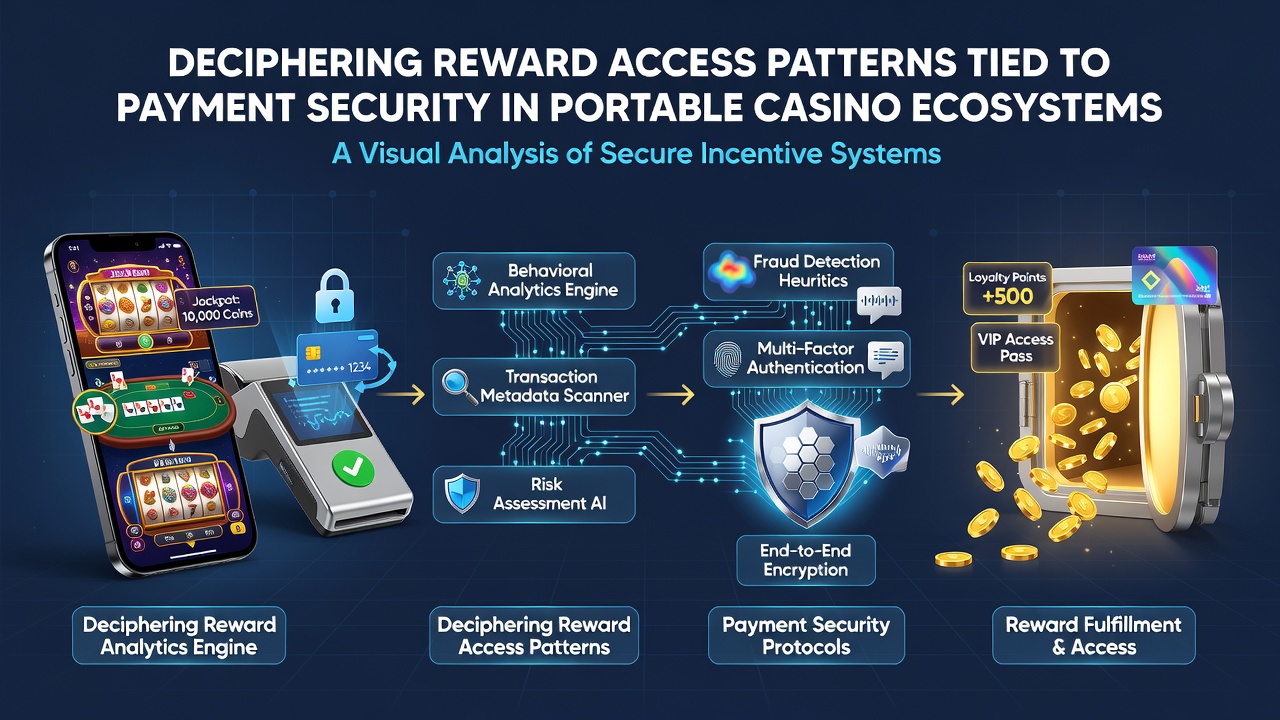
Operators adjust these systems based on transaction risk profiles, and this approach allows differentiated access where high-security payments open immediate reward pools while others require additional confirmation steps. Research indicates that in August 2026, several platforms reported measurable shifts in reward redemption rates following updates to their payment authentication modules. Those monitoring the sector have noted how such changes align with broader efforts to align security standards across portable ecosystems without disrupting user flow.
Regional Variations in Security and Reward Mapping
European and North American frameworks demonstrate differing emphases on payment verification speed versus depth, and these differences affect how rewards map to user accounts in mobile settings. Canadian provincial authorities, for example, publish guidelines that connect secure transaction processing to promotional eligibility, while Australian regulatory bodies emphasize ongoing monitoring of payment-reward linkages to prevent irregularities. Industry reports from organizations like the European Gaming and Betting Association highlight consistent patterns where verified payments correlate with higher completion rates for incentive programs.
Patterns emerge when platforms apply graduated security thresholds, and this method permits basic rewards after standard checks while reserving premium access for fully authenticated payment histories. Evidence suggests these strategies contribute to overall platform reliability, particularly as mobile volumes increased during 2026. Observers have tracked how regional policies influence the design of these systems, leading to varied but comparable reward access sequences depending on the jurisdiction.
Conclusion
Payment security protocols continue to shape reward access patterns within portable casino ecosystems through structured verification sequences and regional compliance measures. Information from multiple sources demonstrates that these connections support both transaction integrity and incentive distribution, with ongoing developments in August 2026 reflecting adaptations to mobile usage trends. Further analysis from research institutions and regulatory bodies provides additional context on how these frameworks evolve across different markets.