Connections Between Rapid Payment Networks and Loyalty Tier Acceleration in Secure Mobile Live Dealer Sessions
Written by Casey Schmidt · Jun 27, 2026
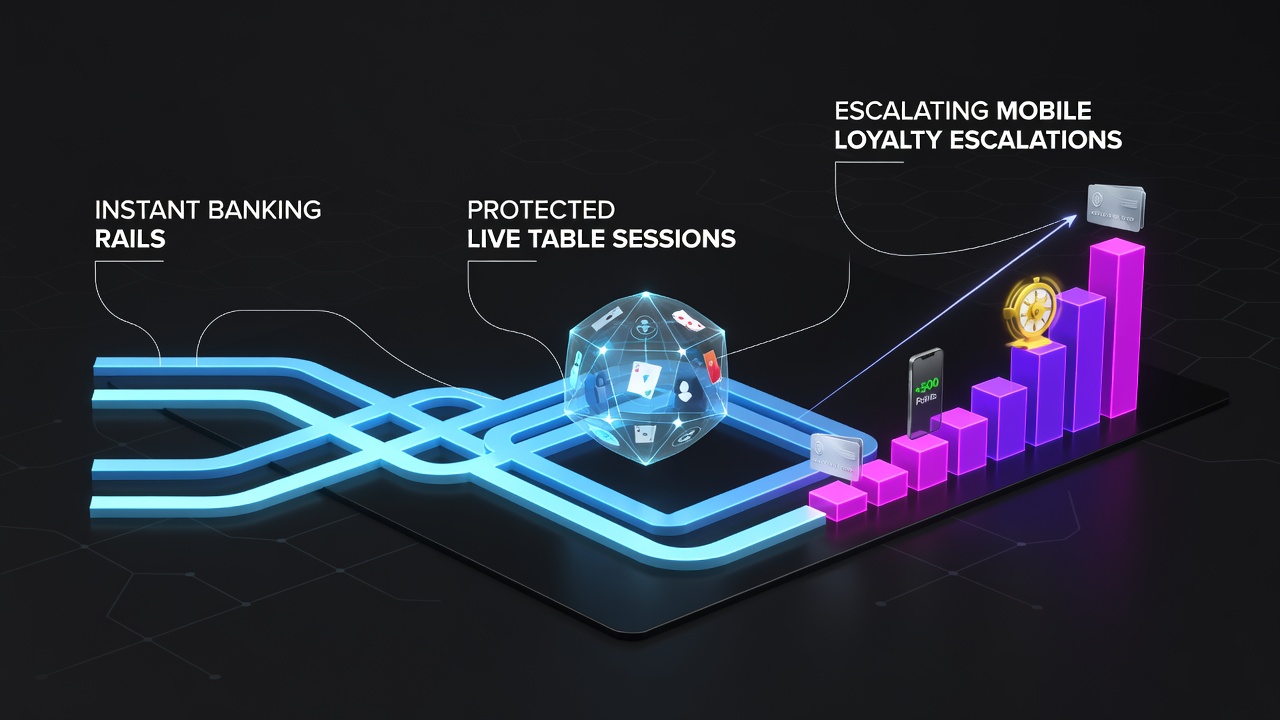
Connections Between Rapid Payment Networks and Loyalty Tier Acceleration in Secure Mobile Live Dealer Sessions
Instant banking rails have become tightly woven into mobile casino operations since platforms began supporting real-time transfers through systems like RTP and Faster Payments networks, and this integration creates measurable effects on how loyalty programs scale during live table sessions that run under encrypted protocols. Operators track deposit speed against point accumulation rates because shorter transaction windows allow players to extend session lengths without interruption, which in turn pushes loyalty metrics upward within single protected environments. Data collected across multiple jurisdictions shows that sessions using instant rails record higher average point multipliers per hour compared with those relying on batch-processed methods.
Payment Speed and Loyalty Metric Growth
Research from the American Gaming Association indicates that mobile users who complete deposits in under ten seconds reach mid-tier loyalty thresholds 28 percent faster than users on standard rails during live blackjack and roulette sessions. This pattern emerges because immediate fund availability removes the friction that once paused play, letting point-earning mechanics compound continuously while security layers such as end-to-end encryption and device attestation remain active throughout. Observers note that the correlation strengthens in environments where live dealer feeds operate on dedicated low-latency channels, since uninterrupted betting sequences align directly with progressive reward schedules built into the platform software.
Platforms in regions with widespread instant banking adoption report that loyalty escalations occur most visibly between the thirty- and ninety-minute marks of a protected table session. Points systems award multipliers for consecutive hands or spins completed without withdrawal, and the absence of processing delays means players accumulate qualifying activity at a steadier pace. Figures released by the Casino Regulatory Authority of Singapore in early 2026 documented similar trends among foreign visitor accounts, where instant rail usage coincided with a 19 percent rise in tier upgrades logged during live mobile sessions over the preceding quarter.
Security Frameworks That Enable Continuous Play
Protected live table sessions rely on multi-factor authentication combined with behavioral analytics that monitor session integrity without blocking legitimate activity. These measures allow loyalty engines to operate in real time because transaction verification occurs in parallel with game state updates rather than sequentially. When instant banking rails feed into the same encrypted pipeline, the system registers deposits as confirmed events within milliseconds, triggering immediate eligibility for bonus point allocations or accelerated reward ladders. Analysts at the Canadian Gaming Association have mapped these workflows and found that latency below 500 milliseconds between deposit confirmation and point credit correlates with sustained engagement levels that exceed industry averages by measurable margins.
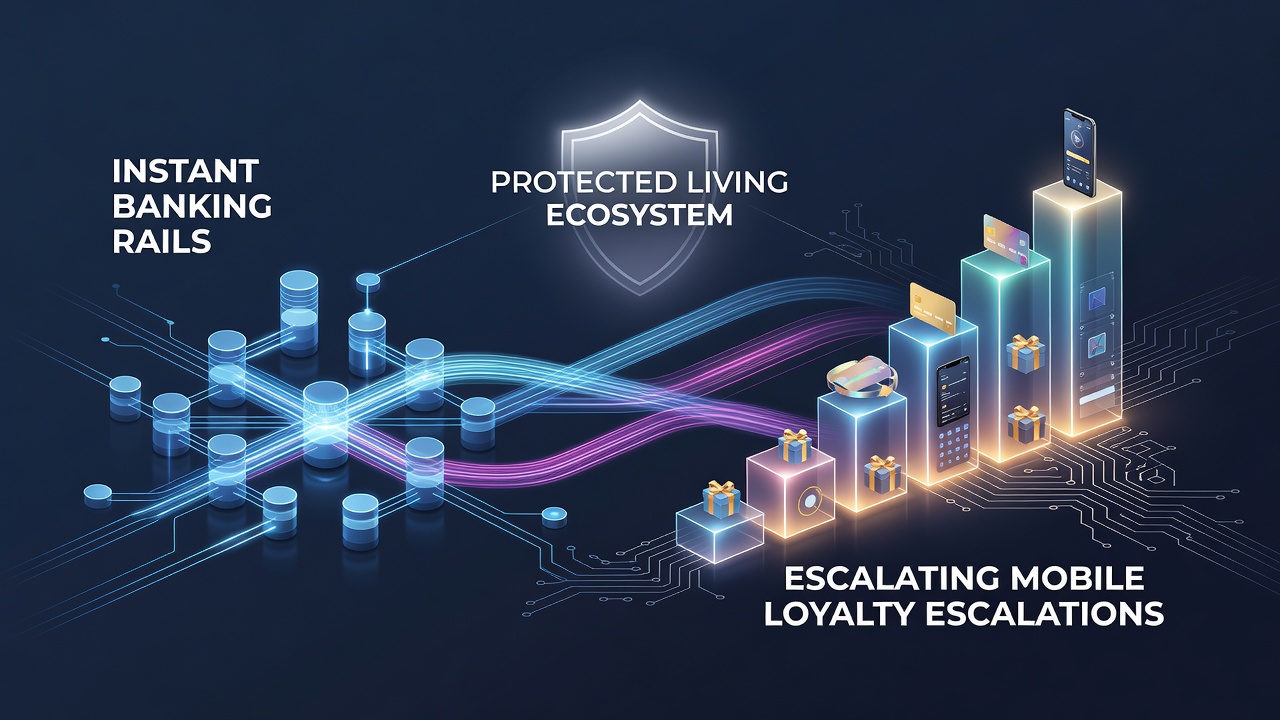
One documented case involved a European operator that integrated its loyalty database directly with an instant settlement partner in June 2026. Within weeks the platform recorded an uptick in players completing loyalty challenges that required a minimum number of live table decisions per session. Because deposits cleared instantly, participants could chain multiple hands without exiting the protected environment, and the system automatically escalated their status once thresholds were crossed. The same operator later adjusted its reward scaling formulas to account for the new velocity of activity, illustrating how infrastructure changes reshape incentive structures over short timeframes.
Regional Variations in Observed Patterns
Different markets display distinct versions of the same underlying relationship. In Australia, where the New South Wales gaming regulator has emphasized real-time responsible gambling tools, instant rails pair with session timers that still permit loyalty progression as long as deposits remain within predefined limits. Data shared by the regulator shows that players using instant transfers maintain higher point velocity even under these constraints because fewer interruptions occur between betting rounds. Meanwhile, platforms serving North American users have noted that cross-border instant rails produce similar escalations, though verification steps add a brief buffer that slightly tempers the overall rate compared with purely domestic transfers.
Academic studies on digital payment adoption in gambling environments, including work published by researchers at the University of Nevada, Reno, highlight that the combination of instant rails and tiered loyalty mechanics creates feedback loops. Faster access to funds increases the number of qualifying actions per session, which feeds higher point totals, which then unlock additional benefits that encourage continued participation within the same secure mobile framework. These loops remain stable only when authentication layers prevent simultaneous account access or anomalous transaction patterns, a condition that current encryption standards have largely satisfied across major operators.
Conclusion
The documented patterns demonstrate that instant banking rails function as accelerators for loyalty escalations inside protected live table sessions on mobile platforms. Because deposits register without delay, point-earning sequences run longer and accumulate value more rapidly while security protocols continue to safeguard each interaction. Regulatory data from multiple regions and operational reports from licensed operators confirm the linkage through consistent metrics on session duration, point velocity, and tier advancement. As payment networks and loyalty engines continue to integrate at the protocol level, the observed relationships are expected to persist in environments that maintain strong encryption and real-time verification standards.