Charting the Evolution of Encrypted Transaction Channels in Mobile-Enabled Reward Ecosystems
Written by Anna Hoffmann · Jul 16, 2026
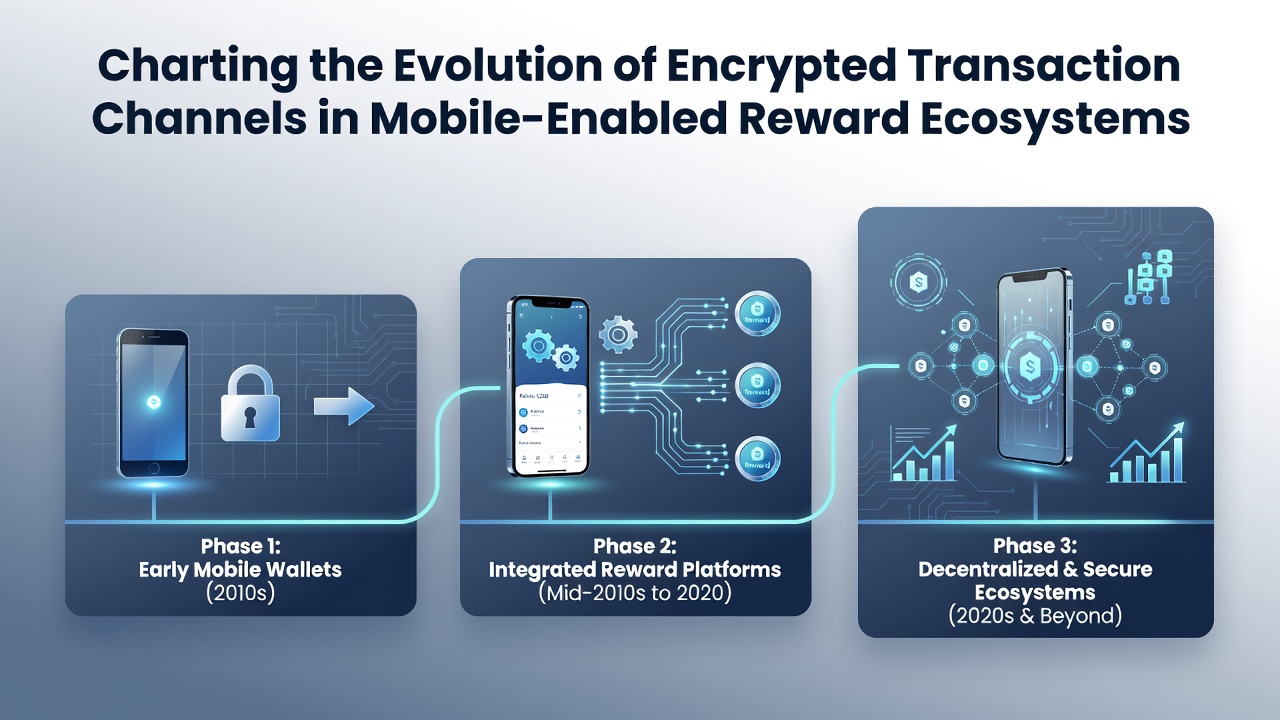
Charting the Evolution of Encrypted Transaction Channels in Mobile-Enabled Reward Ecosystems
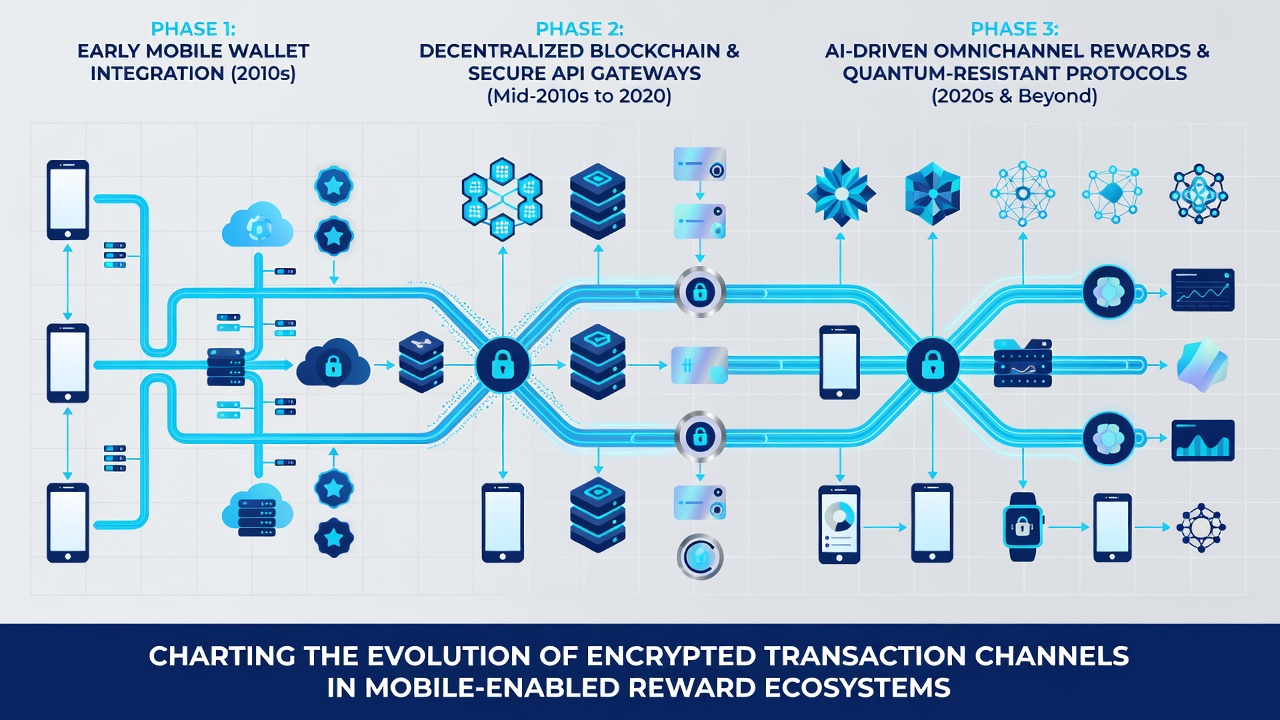
Encrypted transaction channels in mobile reward ecosystems have moved through distinct phases since the first smartphone loyalty apps appeared in the late 2000s, and each phase introduced tighter security while expanding what users could do with points, bonuses, and cashback on the go.
Early Mobile Reward Systems and Basic Encryption Layers
Initial mobile platforms relied on standard SSL certificates to protect login credentials and simple point transfers, yet those measures left reward data exposed during brief network handoffs and device storage remained unencrypted in many cases. Researchers at the University of Nevada, Reno documented how early casino apps stored accumulated bonuses in plain text files that could be read if a phone was lost or compromised, prompting operators to adopt device-level encryption by 2012. Operators also began routing reward redemptions through tokenised session keys that expired after minutes rather than hours, cutting the window for interception attacks that had surfaced in public Wi-Fi tests.
Shift Toward End-to-End Encryption and Tokenisation
By 2015 the industry adopted end-to-end encryption for every step between a player device and backend servers, and tokenisation replaced actual account numbers during in-app purchases or loyalty redemptions. Payment gateways started issuing one-time tokens that mapped back to reward balances only on secure servers, while the mobile app itself never held usable card or account data. This approach reduced fraud reports tied to mobile reward accounts according to figures from the Alcohol and Gaming Commission of Ontario, which tracked a measurable drop in unauthorised redemptions after token systems became standard across regulated platforms.
Integration of Biometric Authentication and Multi-Factor Protocols
Biometric checks entered the picture around 2017 when fingerprint and facial recognition hardware became widespread on consumer phones, and reward ecosystems layered these signals on top of existing encryption. A user could approve a points transfer or bonus claim only after the device verified both a live biometric match and a cryptographic key stored in the secure enclave. Observers note that this combination made remote account takeovers far more difficult because an attacker needed both the encrypted channel and physical access to the registered handset. In July 2026 several major operators reported that biometric-gated reward redemptions accounted for more than 70 percent of all mobile transactions in their systems, reflecting broad adoption across North American and Asian markets.
Blockchain and Distributed Ledger Experiments
Some reward platforms began testing distributed ledger technology in 2019 to create immutable records of point issuance and redemption, and the approach added another encryption layer through public-private key pairs that users controlled on their devices. Each reward transaction received a timestamped entry on a permissioned blockchain visible only to authorised nodes, which eliminated disputes over balance history while keeping personal identifiers off-chain. Operators that deployed these pilots observed faster reconciliation between mobile apps and central databases because every change carried its own cryptographic proof, reducing the need for manual audits that once delayed bonus payouts by days.
Regulatory Milestones and Standardisation Efforts
Regulatory bodies in multiple jurisdictions pushed for uniform encryption standards as mobile reward volumes grew, and the resulting guidelines required minimum key lengths plus regular penetration testing of all channels handling player incentives. Compliance audits now examine how apps handle encryption during background synchronisation and whether reward ledgers remain protected when devices switch between cellular and Wi-Fi networks. These requirements have produced consistent security baselines across different operating systems and hardware generations, allowing developers to focus on user experience without sacrificing protection for accumulated bonuses or tiered loyalty benefits.
Current Landscape in Mid-2026
Today's mobile reward ecosystems combine quantum-resistant algorithms with real-time risk scoring that monitors transaction patterns for anomalies before any encrypted channel opens for a redemption. When unusual activity appears the system can require additional verification steps without interrupting routine point transfers for verified users. Data from multiple regulators shows that platforms using these layered controls experience fewer than one disputed reward transaction per 100,000 sessions, a figure that continues to trend downward as machine-learning models refine their detection thresholds.
Conclusion
teh progression from basic SSL to tokenised, biometric, and ledger-based channels demonstrates how encryption has kept pace with both device capabilities and regulatory expectations in mobile reward ecosystems. Each advancement has expanded what users can accomplish securely on their phones while shrinking opportunities for interception or tampering, and the pattern suggests continued refinement rather than wholesale replacement of existing frameworks.