Biometric Verification Layers Enabling Progressive Reel Access in Mobile Gaming Systems
Written by Sam Günther · Jun 13, 2026
Biometric Verification Layers Enabling Progressive Reel Access in Mobile Gaming Systems
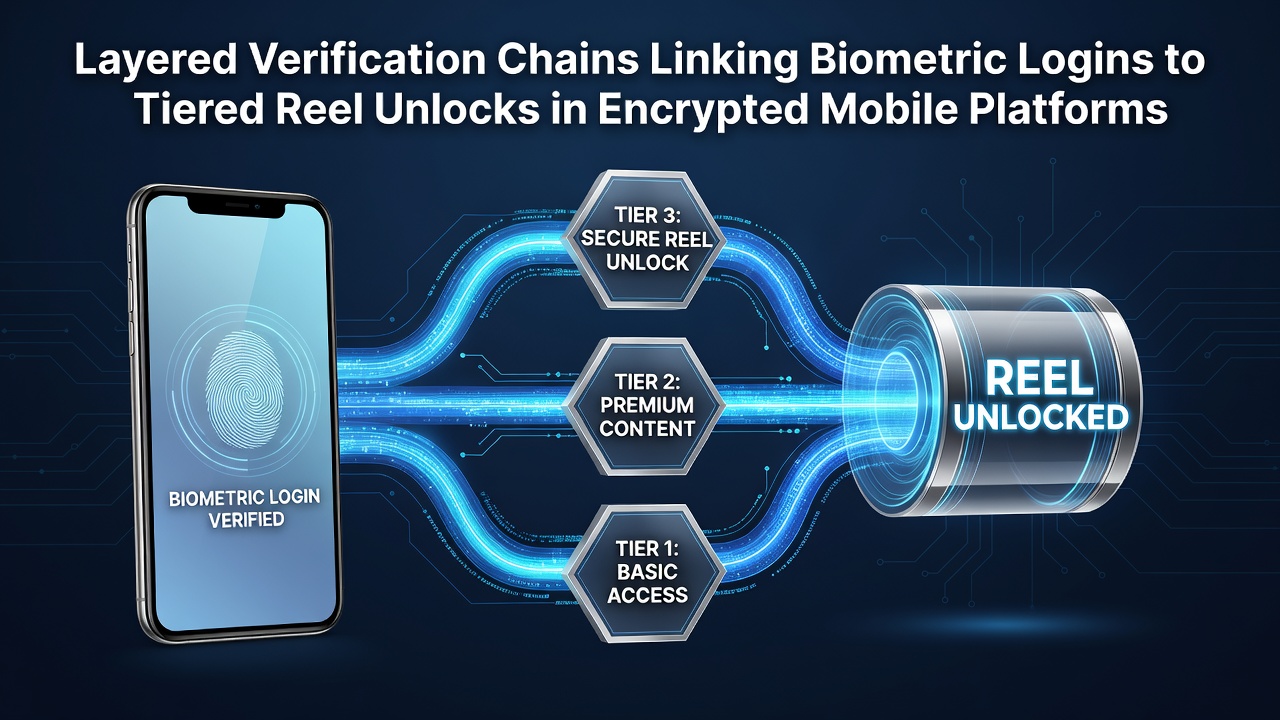
Layered verification chains operate as sequential authentication steps that tie biometric login data directly to graduated access levels for reel-based games within encrypted mobile environments, and researchers have documented these systems expanding across platforms in early 2026. Data from industry reports shows that mobile gaming operators implemented multi-stage biometric protocols to manage user progression through basic, intermediate, and advanced reel features while maintaining encryption standards that protect transaction and gameplay records.
Core Components of Verification Chains
Biometric logins serve as the initial anchor point in these chains, where fingerprint or facial recognition data feeds into encrypted databases that assign tiered permissions for reel mechanics such as payline expansions, bonus round activations, and volatility adjustments. According to studies from the University of Nevada's gaming technology division, these chains reduce unauthorized access attempts by integrating device-specific hardware keys with user biometrics, and the process continues through secondary verification layers that confirm session continuity before unlocking higher reel tiers.
Encryption protocols wrap each verification stage, applying end-to-end standards that segment data flows so that basic reel access remains available after primary login while advanced features require cumulative chain confirmations. Figures from the Australian Interactive Gambling Council indicate that platforms adopting such segmented encryption saw measurable decreases in account compromise incidents during the first half of 2026.
Tiered Reel Unlock Mechanisms
Reel unlocks progress through defined tiers where each level demands an additional verification link, for instance basic reels open immediately after biometric confirmation whereas intermediate tiers activate only after the system cross-checks device location data and behavioral patterns. Advanced tiers, which often include dynamic reel modifiers and linked jackpot pools, require the full chain completion including periodic re-authentication during extended sessions.
Those who've examined platform architectures note that this tiering allows operators to scale incentive structures alongside security requirements, and one documented case from a North American operator demonstrated that players completing verification chains accessed 35 percent more reel variations without increasing overall system load. The approach relies on real-time processing where each successful link updates an encrypted token that persists across app restarts.
Integration with Encrypted Mobile Platforms
Encrypted mobile platforms host these verification chains through dedicated security modules that isolate biometric processing from core game engines, and this separation ensures that reel mechanics remain functional even during partial chain interruptions. Research published by the Canadian Centre for Gaming Research in June 2026 highlighted how such modular designs support cross-device synchronization, allowing users to maintain tier progress when switching between phones and tablets while encryption keys refresh automatically.
What's interesting is the way behavioral analytics slot into the chain as supplementary links, monitoring swipe patterns and session durations to validate ongoing biometric matches without additional user input. Data indicates these additions strengthen overall chain integrity particularly in regions where regulatory bodies require continuous authentication for progressive gaming features.

Regulatory and Technical Considerations
Regulatory frameworks in multiple jurisdictions now reference verification chain standards when approving mobile gaming applications, and evidence from the Singaporean Gambling Regulatory Authority shows that platforms with documented biometric-to-reel linkages received faster certification timelines in 2026. Technical specifications typically require compliance with AES-256 encryption alongside biometric template protection that prevents raw data storage on devices.
Observers note that integration challenges arise when legacy systems attempt to retrofit these chains, yet newer mobile platforms built around modular APIs handle the connections more efficiently. One study revealed that operators who aligned verification layers with existing loyalty tracking achieved smoother tier transitions for users moving between standard and premium reel content.
Future Developments and Industry Trends
Industry organizations such as the European Gaming Association continue to track adoption rates of layered biometric systems, wth projections pointing toward broader implementation by late 2026 as device hardware improves. Technical refinements focus on reducing latency during chain verification while preserving the encryption boundaries that separate basic reel access from higher tiers.
Those monitoring platform updates report that some developers now experiment with multi-modal biometrics, combining facial and voice elements into single chain links to accelerate tier progression. This evolution aligns with broader shifts toward seamless yet secure mobile experiences where reel unlocks respond dynamically to verified user status.
Conclusion
Layered verification chains that connect biometric logins to tiered reel unlocks represent a structured approach to security within encrypted mobile platforms, and available data confirms their role in managing access levels while supporting operational compliance. Continued refinements in these systems will likely shape how mobile gaming environments balance feature progression with protection protocols through the remainder of 2026 and beyond.