Behind the Screen: Security Protocols Driving Slot Dynamics and VIP Access in Mobile Casinos
Written by Yara Krüger · Jun 6, 2026
Behind the Screen: Security Protocols Driving Slot Dynamics and VIP Access in Mobile Casinos
Security protocols form the backbone of mobile casino operations, shaping how slot games function and how VIP programs grant access to rewards. In June 2026 operators continue to refine these systems as regulatory bodies track compliance across multiple jurisdictions, and data from industry reports shows steady investment in encryption and authentication layers that protect both gameplay integrity and user privileges.
Core Security Frameworks in Mobile Gaming Platforms
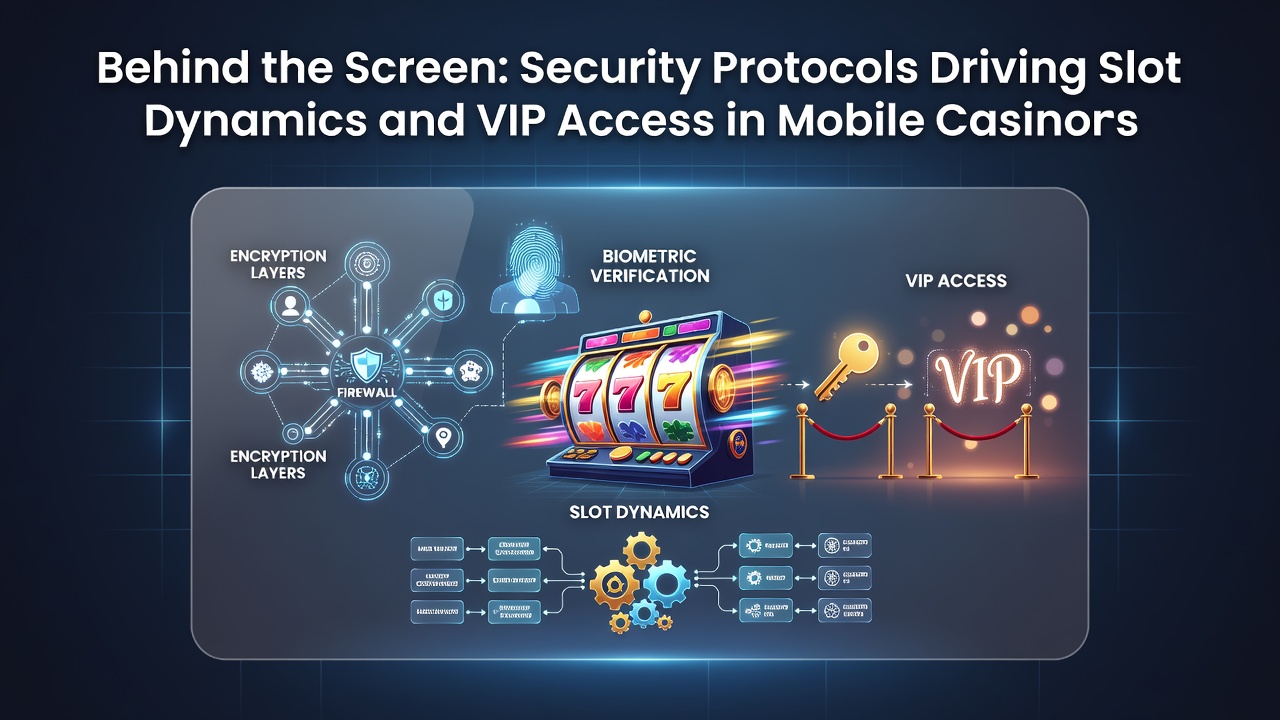
Encryption standards such as AES-256 and TLS 1.3 secure data transmission between player devices and casino servers, while tokenization methods replace sensitive details during transactions. These measures operate continuously in the background, allowing slot reels to spin without interruption yet ensuring every outcome remains verifiable through certified random number generators. Observers note that platforms integrate multi-factor authentication alongside biometric checks, and this combination reduces unauthorized access attempts while permitting seamless entry for verified users.
Regulators in Nevada require regular audits of these frameworks, and similar oversight exists through the Malta Gaming Authority in Europe. Reports from these bodies indicate that compliant systems maintain uptime above 99.5 percent during peak hours, and this reliability directly supports the uninterrupted delivery of slot mechanics that players expect on handheld devices.
Slot Dynamics Shaped by Authentication Layers
Slot dynamics depend on secure mapping between player accounts and game servers, where each spin request passes through encrypted channels before the RNG produces a result. When authentication protocols verify identity in real time, the system can adjust volatility settings or bonus triggers without exposing underlying code. Research from academic studies on gaming algorithms demonstrates that layered verification prevents tampering, and this protection preserves the statistical fairness that licensed operators must uphold.
Take one developer who integrated hardware-backed keystores on mobile operating systems; the approach allowed faster session validation while maintaining separation between standard play and high-stakes VIP modes. Data indicates that such implementations have reduced latency by measurable margins in live environments, and players experience consistent reel behavior across both free and paid sessions.
VIP Access Mechanisms and Graduated Incentive Structures
VIP programs rely on secure tracking of wagering activity, where encrypted ledgers record every bet and payout to calculate tier progression. Once a player reaches a new level, the system unlocks rewards through additional authentication steps that confirm eligibility without exposing account details. These graduated structures often include exclusive slot variants or higher betting limits, and security protocols ensure that only authorized accounts can claim them.
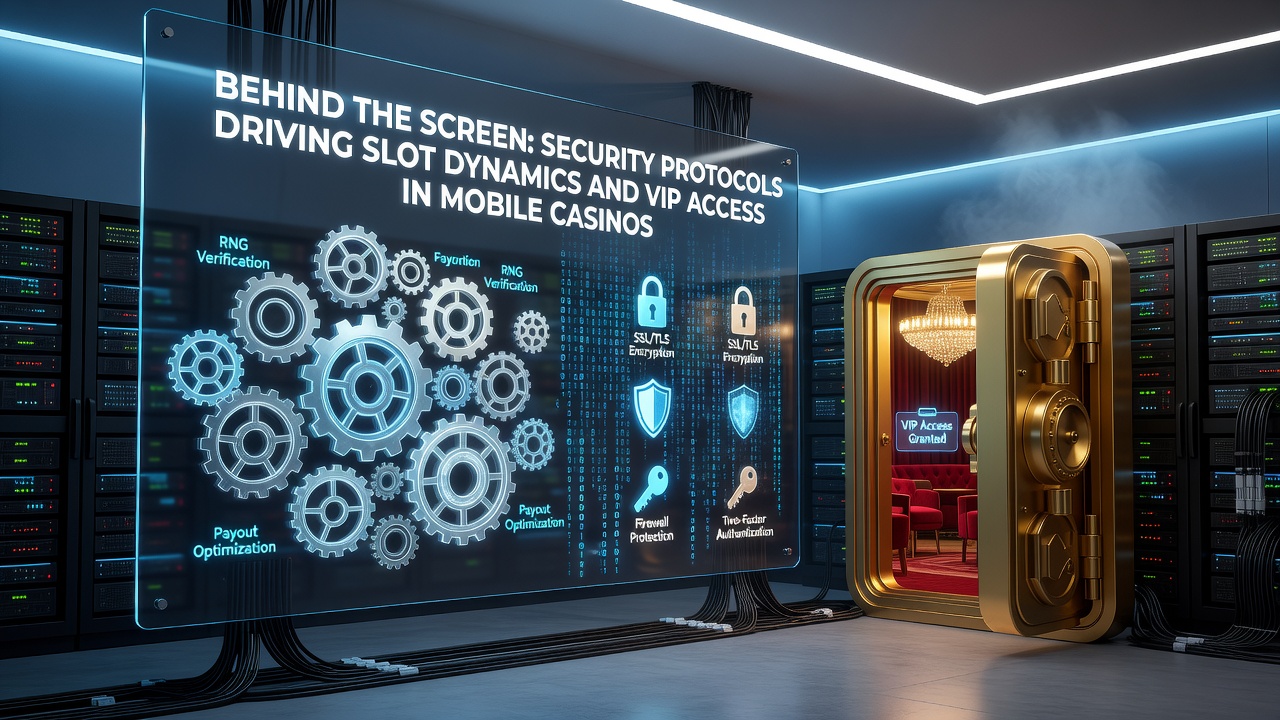
Industry organizations such as the American Gaming Association have documented how these access controls scale with player volume, and figures reveal that secure systems handle thousands of simultaneous VIP logins without compromising speed. In regions like Australia, state regulators require transparent reporting on how authentication affects reward distribution, and this oversight helps maintain trust in the incentive programs.
Integration with Live Dealer and Mobile-Specific Features
Live dealer environments combine video streams with slot-like side bets, and the same security stack protects both elements. Token-based sessions allow players to move between table games and slots while the platform continuously validates VIP status. Experts have observed that this integration supports features such as instant cashback on mobile, and the underlying protocols prevent session hijacking during transitions.
One study published by a Canadian research institute examined how biometric re-authentication affects high-tier players during live sessions; results showed improved retention rates when verification remained unobtrusive. Those findings align with broader trends in June 2026, where operators prioritize protocols that balance security with fluid gameplay across handheld platforms.
Regulatory Trends and Compliance Updates
Government agencies continue to update standards for mobile casino security, and operators respond by adopting zero-trust architectures that verify every request regardless of prior authentication. This approach influences both slot mechanics, by ensuring RNG calls originate from legitimate sessions, and VIP access, by gating premium features behind multiple checkpoints. Data from regulatory filings indicates that jurisdictions adopting these models report fewer compliance incidents, and the pattern holds across North American and European markets.
What's interesting is how these updates intersect with emerging technologies such as quantum-resistant encryption algorithms, which several testing labs have begun evaluating for future deployment. Although full rollout remains ahead, preliminary assessments suggest these algorithms will further strengthen the mapping between player activity and reward eligibility without altering the visible dynamics of slot play.
Conclusion
Security protocols continue to drive the operational backbone of mobile casinos by protecting slot fairness and controlling VIP access in measurable ways. Reports from diverse regulatory sources show consistent emphasis on encryption, authentication, and audit trails, while industry data highlights performance gains that benefit both standard and premium users. As platforms evolve through 2026, these frameworks remain central to maintaining compliant, functional gaming environments across handheld devices.